Elephant Haven

The Logistics Behind Preparing Over 200 Kilograms of Food a Day

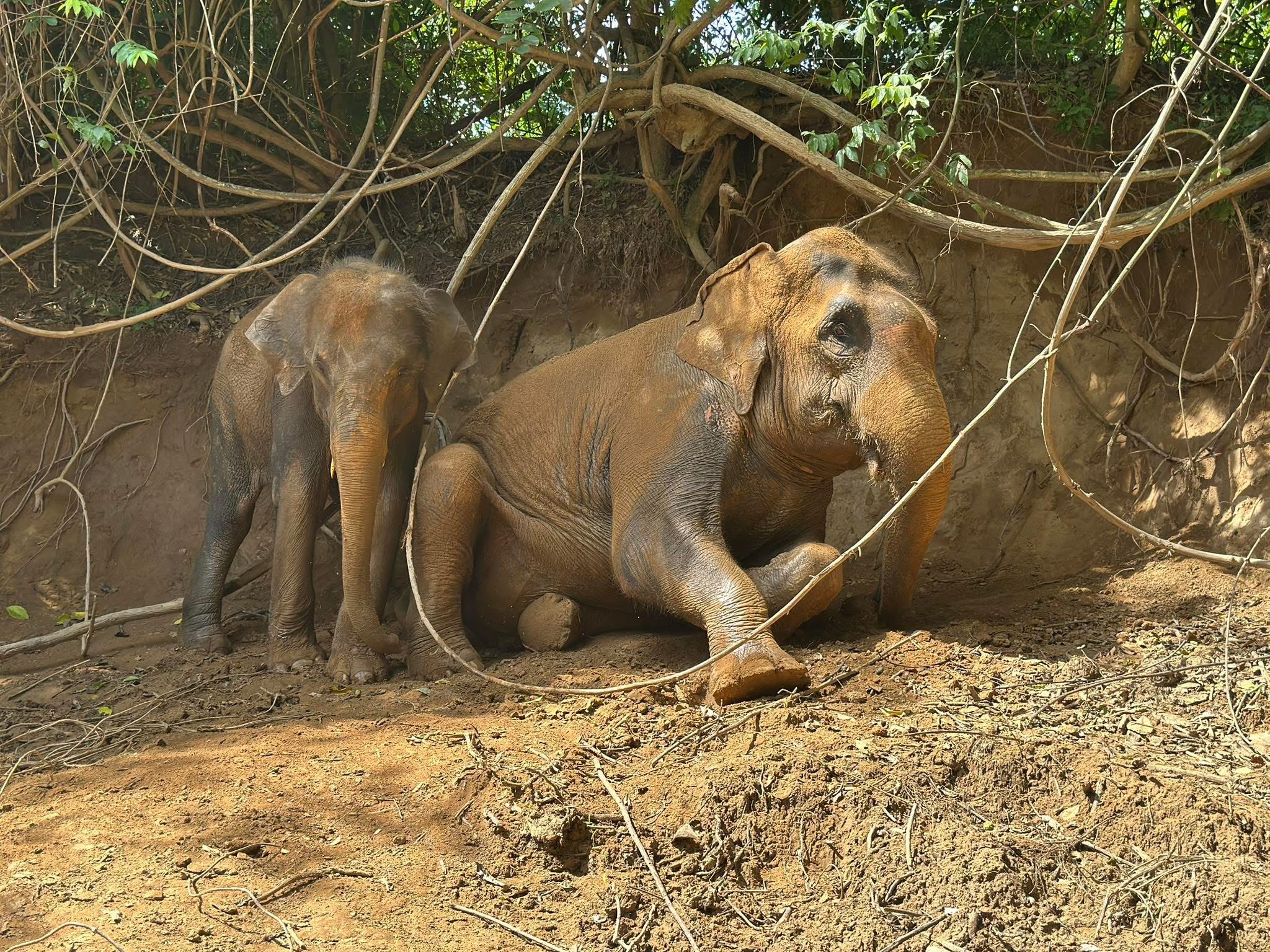
At Elephant Haven Kanchanaburi, elephants are not performers or working animals. They are residents living under a philosophy of ethical, observation-based tourism. Behind the calm and natural lifestyle visitors see each day lies a complex and carefully managed responsibility food.

An adult elephant consumes approximately 200 kilograms of food per day, roughly 8 to10% of its body weight. Feeding elephants, therefore, is far more than placing piles of grass on the ground. It is a systematic process that requires nutritional knowledge, long-term planning, and a deep understanding of each elephant’s physical condition. The ultimate goal is to ensure that every elephant remains healthy while living as close to its natural behavior as possible.

elephant food per day

Elephant Haven places strong emphasis on sourcing elephant food from local farmers in Kanchanaburi Province and nearby areas. Key food items such as Napier grass, banana trees, pineapple plants, and other types of elephant fodder are all obtained from local sources where their origin and quality can be clearly traced and verified.

This approach ensures that elephants receive fresh, clean, and natural food every day, while also providing stable and continuous income for farmers within the community. It fosters long-term cooperation and mutually beneficial relationships between Elephant Haven and local producers.

Sourcing ingredients locally also helps reduce transportation distances, lower energy consumption, and decrease greenhouse gas emissions. As a result, Elephant Haven’s food system is environmentally friendly and fully aligned with its commitment to conservation and sustainability.

Although elephants love sweet fruits like bananas and watermelon, excessive sugar can lead to health issues such as obesity, joint stress, and metabolic problems. For this reason, Elephant Haven strictly controls fruit portions.

Fruits are treated as supplements rather than staples. Caretakers closely monitor eating behavior, body condition, and movement, adjusting diets accordingly. This proactive approach focuses on long-term health and prevention, rather than treatment after problems arise.

At Elephant Haven Kanchanaburi, elephant dung is not viewed as waste that needs to be disposed of, but rather as a valuable natural resource that can be reused in a sustainable way, in line with the sanctuary’s philosophy of conservation and harmonious coexistence with nature.

Each elephant produces a large amount of dung every day as a result of its plant-based diet. The Elephant Haven team systematically collects the dung and processes it into organic compost without the use of chemicals. The resulting fertilizer is used throughout the sanctuary’s green areas, including grass fields, elephant food crops, and surrounding trees, and may also be shared with or utilized by nearby local farmers.

This entire process reflects the principles of the circular economy, maximizing resource efficiency, reducing waste, and minimizing environmental impact. As a result, manure management at Elephant Haven is not merely a matter of sanitation, but an integral part of a truly sustainable conservation system.

Behind the peaceful scenes of elephants roaming freely at Elephant Haven Kanchanaburi is a carefully managed food system that connects elephant welfare, community livelihoods, and environmental responsibility.

From sourcing ingredients locally and planning balanced nutrition to transforming waste into valuable resources, every step reflects a commitment to ethical care and sustainability. For visitors, learning about the elephant kitchen offers a deeper understanding of what responsible elephant conservation truly means and how supporting such initiatives helps sustain a larger ecosystem in which everyone plays a part.


Avatar photo Elephant Haven
Thumbnail

Previous Post
Mud, Dust, and...

Enquiry Form