Elephant Haven

Differences Between Wild, Domesticated, and Tourism Elephants
Why Understanding Elephants Matters for Ethical Travel in Thailand

Imagine walking through a lush green forest in Thailand. You hear branches cracking, and suddenly a massive elephant emerges from the trees. It’s a magical moment many travelers dream of. But did you know that not all elephants you encounter live the same kind of life?

In Thailand, elephants are not all the same. Wild elephants, domesticated elephants, and elephants used in the tourism industry each have very different identities, histories, and living conditions. Understanding these differences is essential for anyone who wants to travel responsibly and ethically.

Thailand is home to more than 7,000 elephants, yet over 70% live within the tourism industry. The choices travelers make where they go and how they interact with elephants directly affect whether these animals are protected or exploited. This article explores each type of elephant to help you make informed, compassionate travel decisions.

Credit: Kanokorn Konlek

Wild Elephants Freedom, Forests, and the Fight for Survival

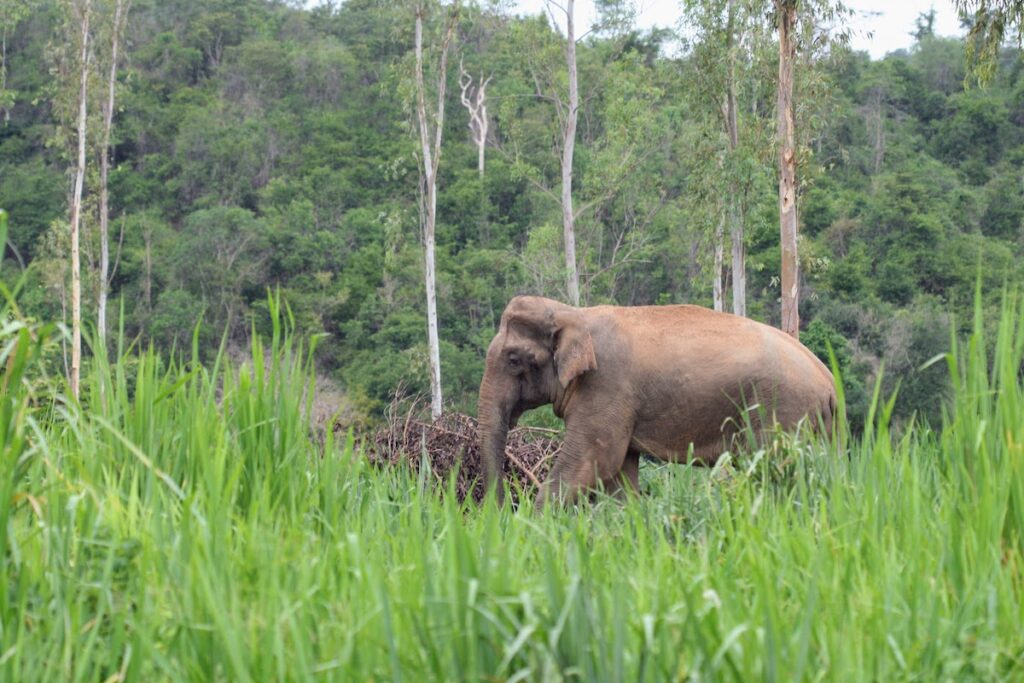
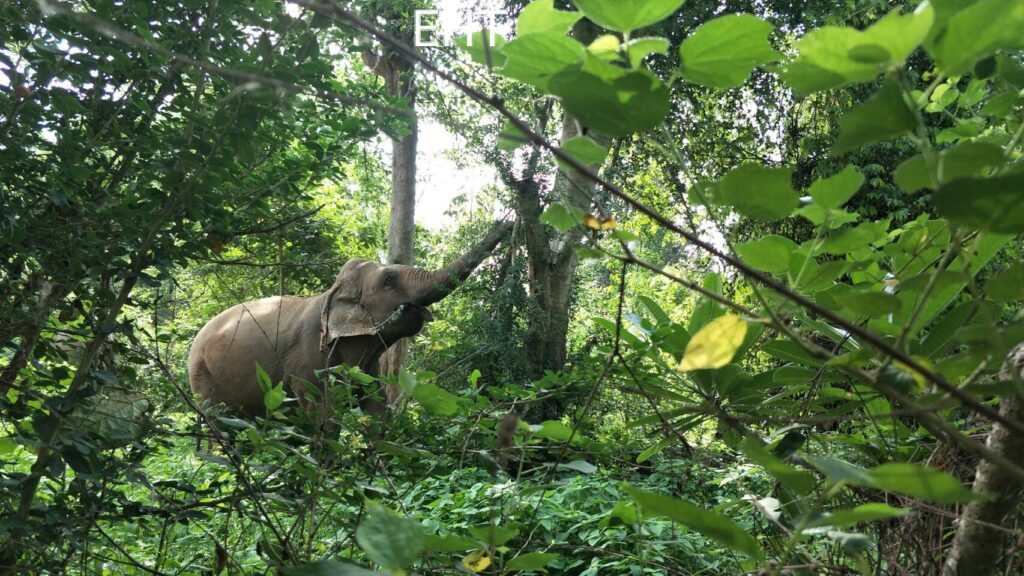
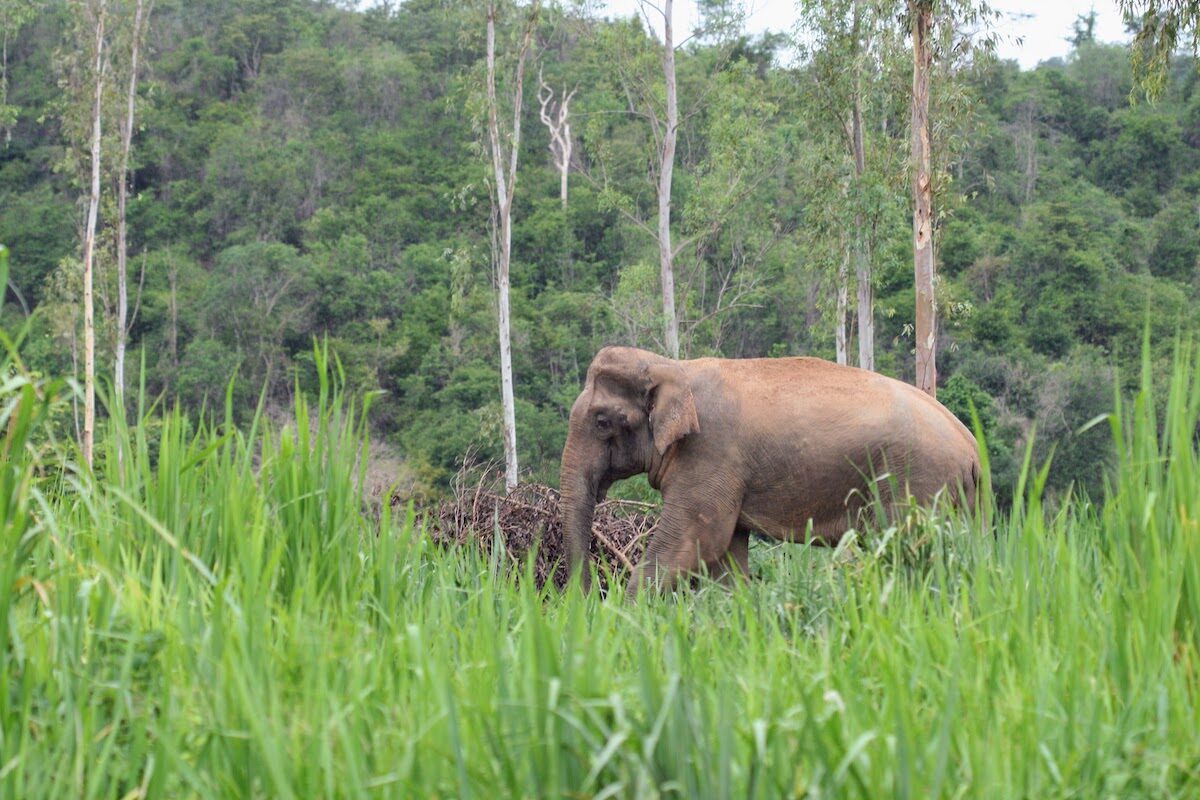
Wild Asian elephants (Elephas maximus) are the true guardians of Thailand’s forests. They live freely in large protected areas, traveling 20–50 kilometers a day in search of food, water, and social connection within their herds. Wild elephants play a crucial role in maintaining forest ecosystems by dispersing seeds and shaping vegetation.

Sadly, their numbers have declined dramatically. From an estimated 100,000 elephants in the past, Thailand now has only around 3,000–4,000 wild elephants. The primary cause is habitat loss due to deforestation, agriculture, and large-scale development projects. As forests shrink, elephants are forced into human settlements, leading to increasing human elephant conflict.

Ethical encounters with wild elephants mean observing them from a safe distance in protected areas never feeding, touching, or approaching them. Such experiences offer something rare and profound: a genuine connection with nature and a deep sense of respect for wildlife in its natural state.

Domesticated Elephants A Shared History with Humans

Domesticated elephants have lived alongside humans in Thailand for centuries. Historically, they were essential partners in agriculture, transportation, and forestry. In many communities, elephants were not treated as tools but as family members.

Today, small numbers of domesticated elephants still live within traditional communities, particularly among Indigenous and rural groups. These elephants often roam freely in open land, bathe in rivers, and feed on natural vegetation. Their care is rooted in cultural knowledge, mutual respect, and long-term relationships between humans and animals.

Visiting elephants in these community-based settings offers travelers a meaningful cultural experience, one that emphasizes learning, respect, and sustainable living rather than entertainment.

Elephants in the Tourism Industry Entertainment at a High Cost

More than 70% of Thailand’s elephants are currently used in tourism. Many are trained using harsh methods from a young age to ensure obedience. Their daily routines often involve carrying tourists, performing shows, or participating in activities designed purely for human enjoyment.

These practices frequently lead to chronic health problems, physical injuries, psychological stress, and shorter lifespans. Long working hours, unnatural diets, and confinement with chains are still common in many facilities.

Although these experiences may appear fun or harmless, they often mask serious animal welfare issues. Behind the photos and performances lies a reality of exhaustion and suffering.

Choosing Ethical Elephant Experiences

If you wish to experience elephants without contributing to their exploitation, choosing the right place is essential. One ethical example is Elephant Haven Kanchanaburi.

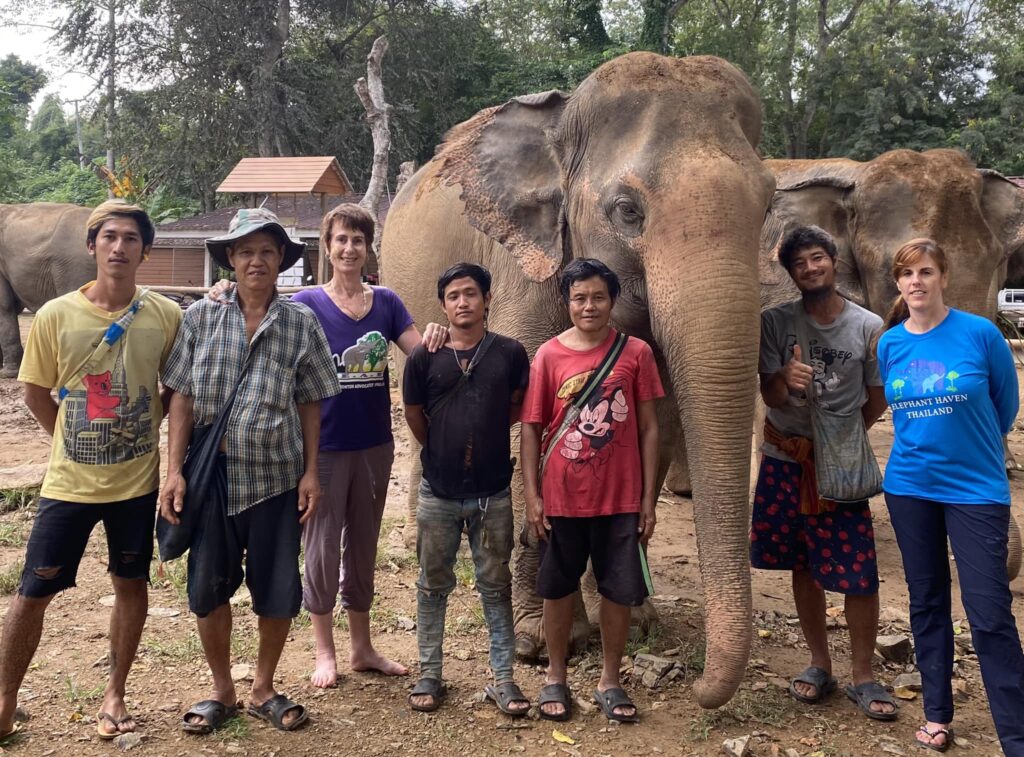
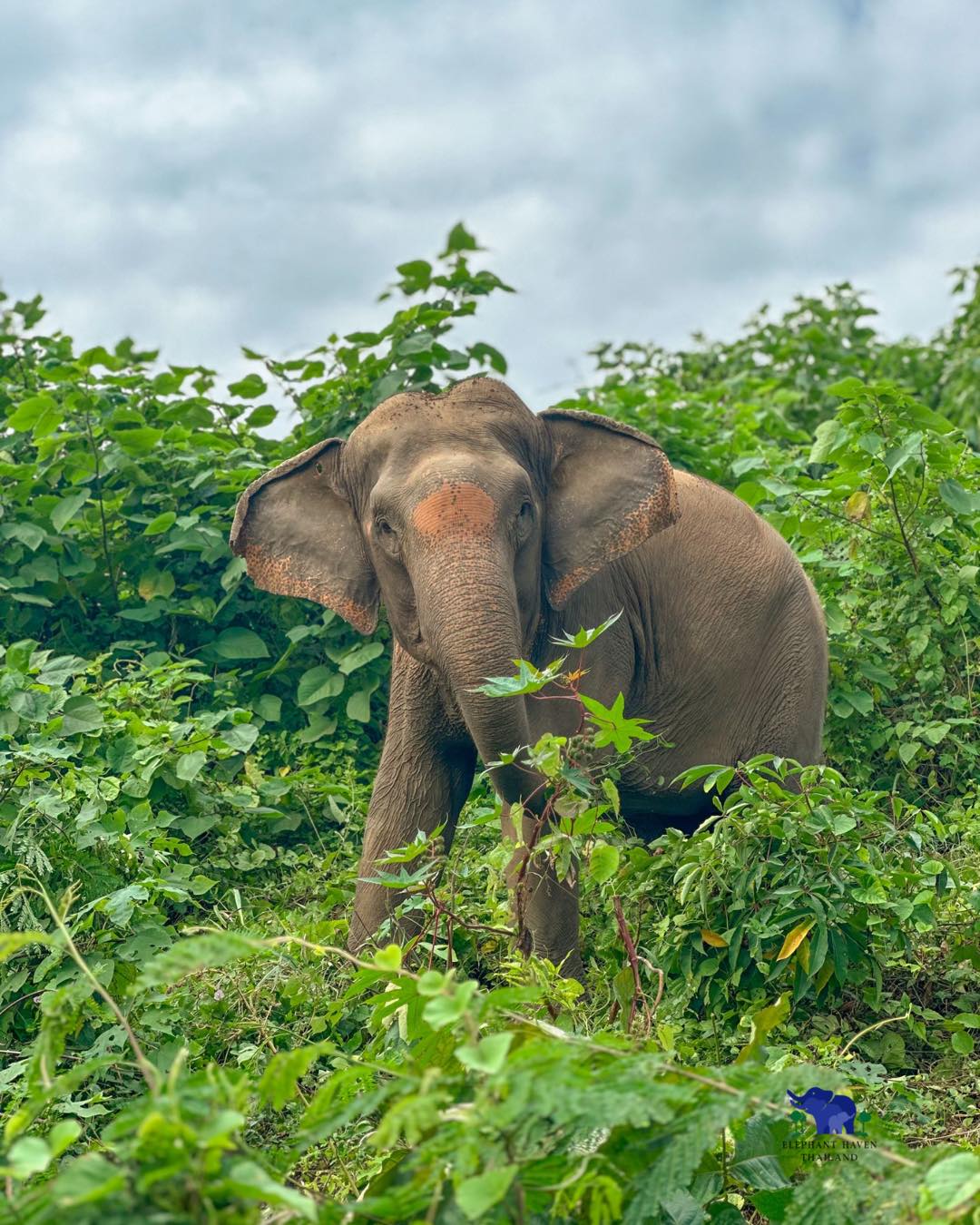
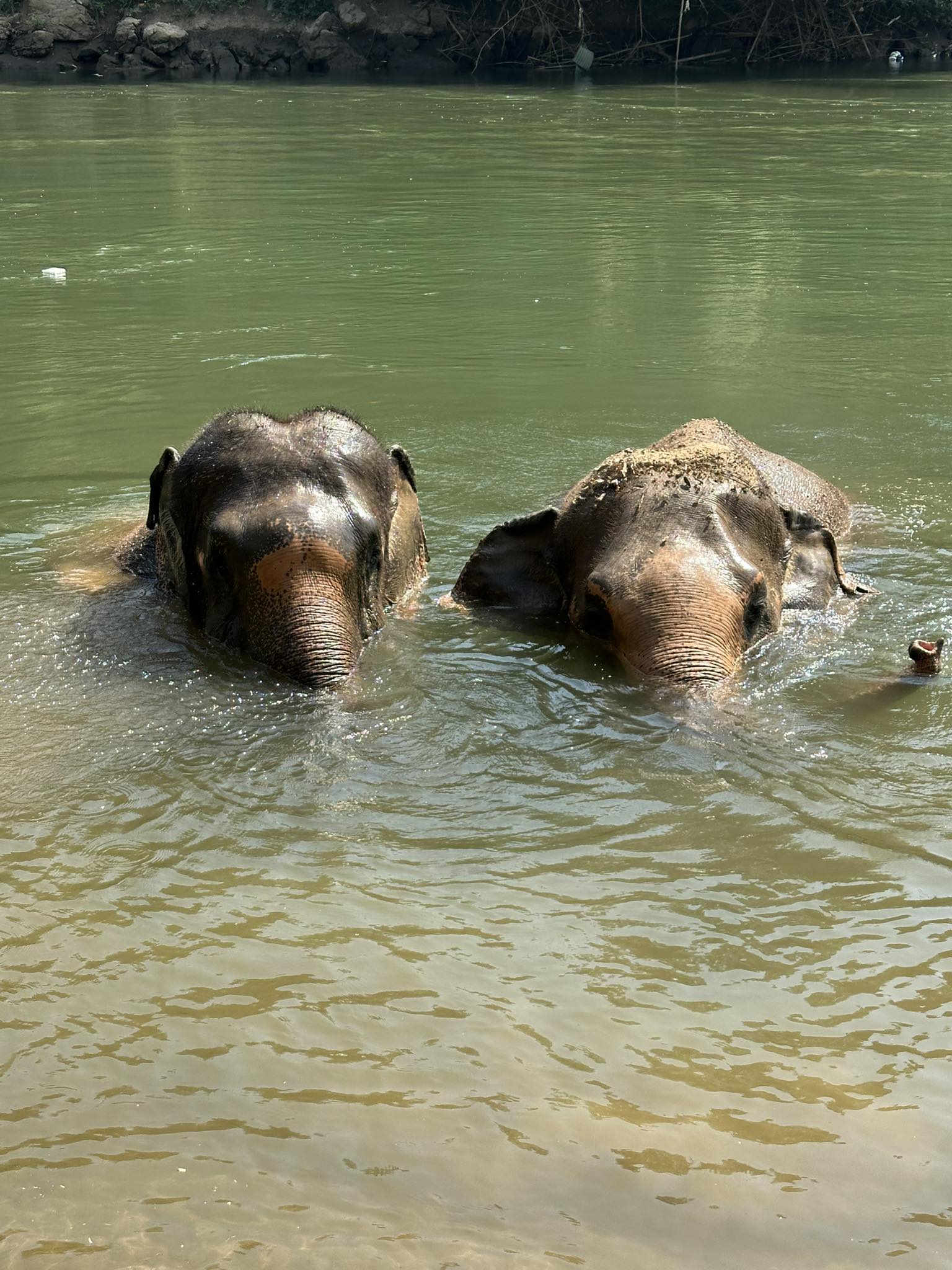
This sanctuary provides a safe, natural environment for rescued and retired elephants many formerly used in tourism. There is no riding, no performances, and no forced interactions. Elephants are free to roam, forage, and bathe naturally, while visitors observe respectfully and learn about elephant welfare and conservation.

Ethical elephant tourism may be quieter and less dramatic, but it is far more meaningful and it directly supports the well-being of these magnificent animals.

Travel with Awareness, Choose with Compassion

Elephants are not just a symbol of Thailand, they are intelligent, emotional beings with complex social lives. Understanding the difference between wild elephants, domesticated elephants, and elephants in the tourism industry is the first step toward responsible travel.

When you choose ethical experiences, your journey becomes more than a holiday. 

It becomes a contribution to conservation, respect for culture, and a future where humans and elephants can coexist with dignity.

Avatar photo Elephant Haven
Thumbnail

Previous Post
How to Choose an...

Thumbnail

Next Post
Thai Elephants A...

Enquiry Form