Elephant Haven

How to Choose an Ethical Elephant Tour
How to Choose an Ethical Elephant Tour
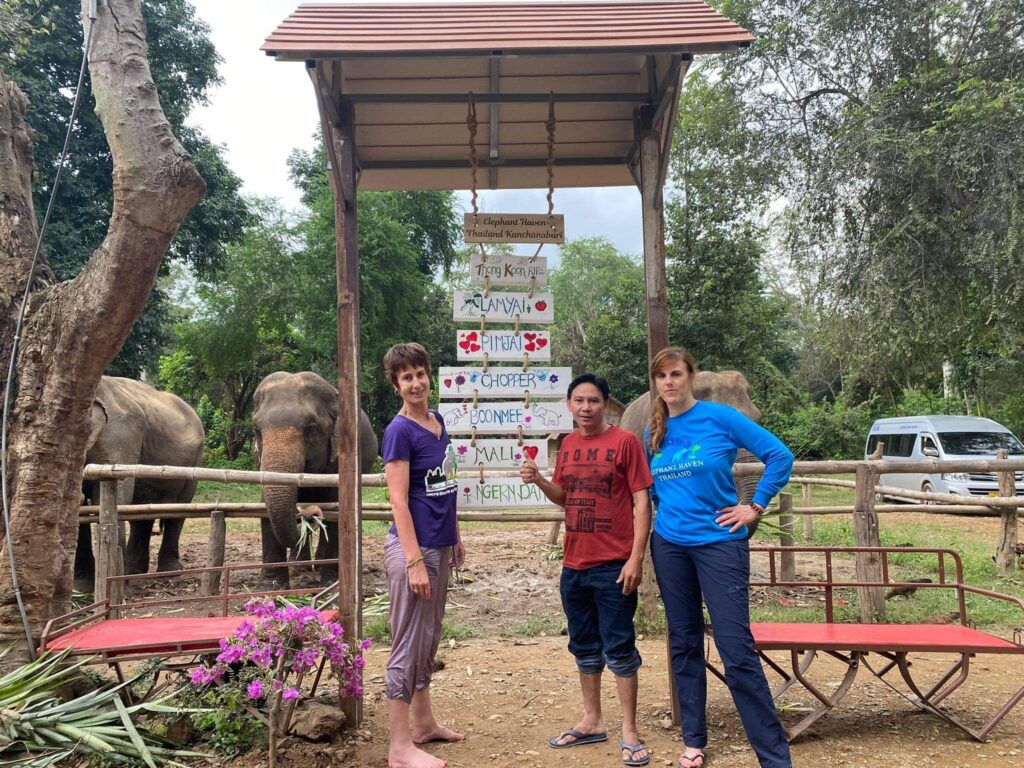
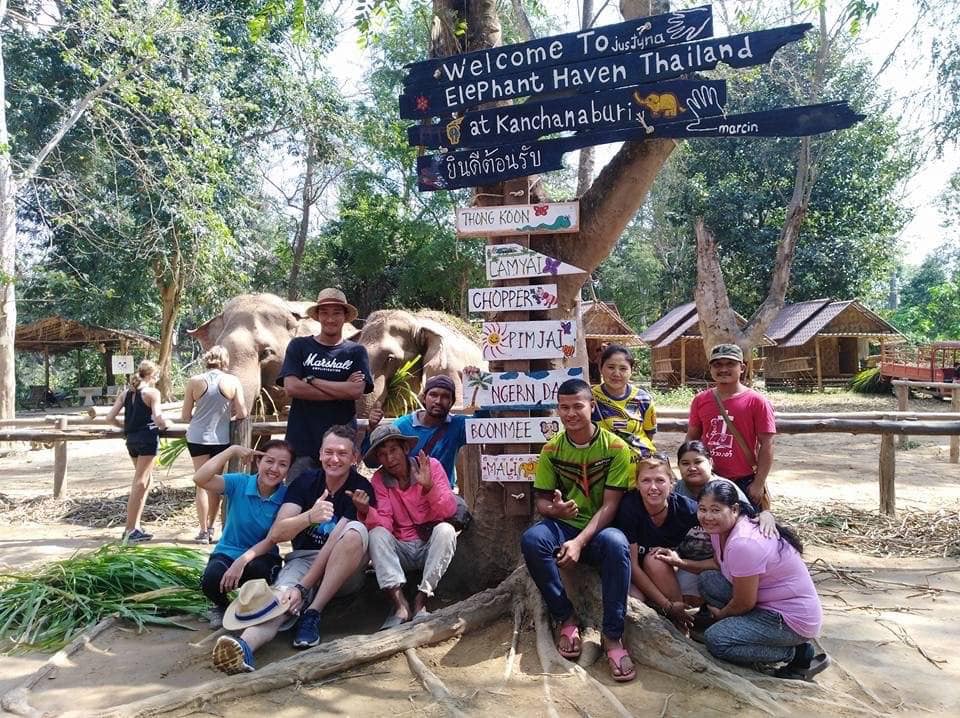
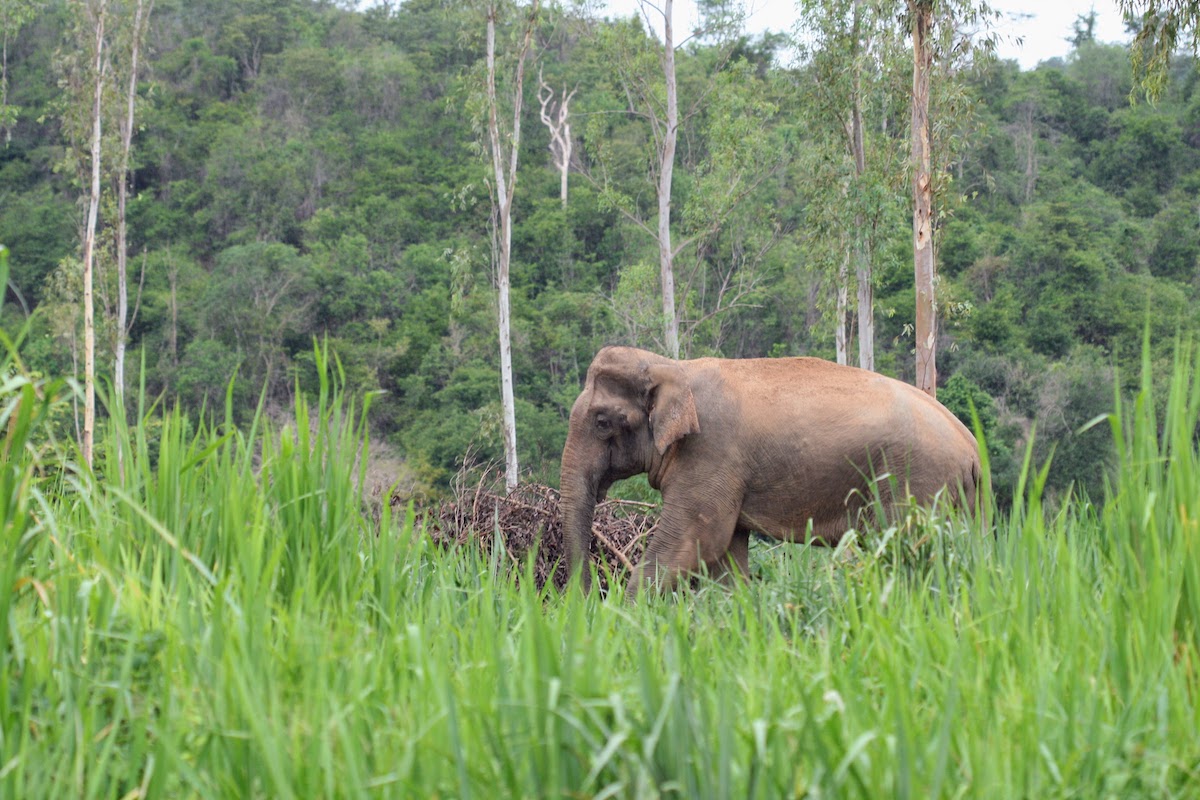
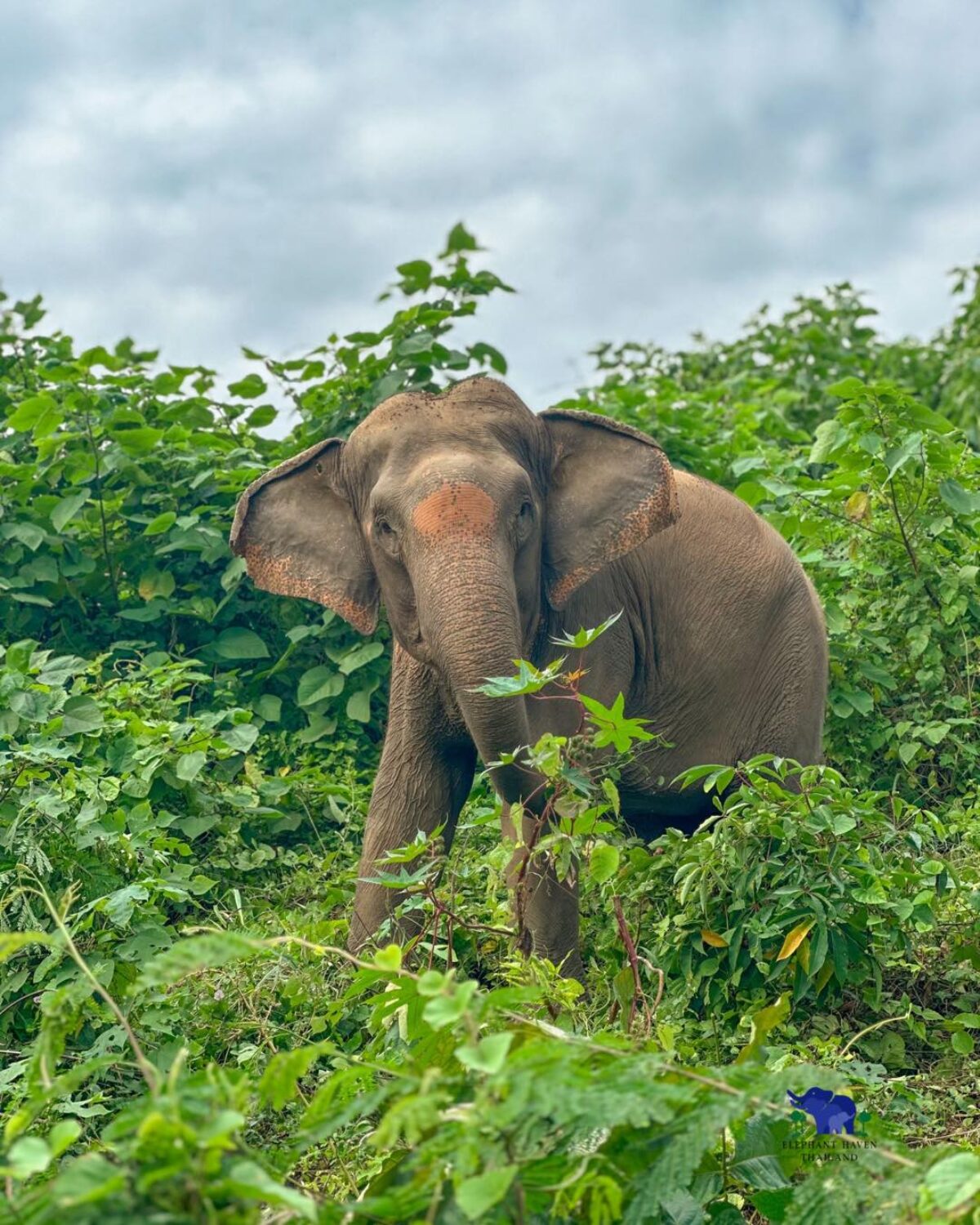
Experiencing elephants in Thailand can be meaningful and inspiring, if you choose a tour that genuinely prioritizes animal welfare. Imagine watching an Asian elephant peacefully grazing in an open field, free from chains and forced performances. Places such as Elephant Haven in Kanchanaburi reflect this philosophy. However, not all elephant attractions operate under the same standards. Making an informed decision is essential.

Key Principles of a Responsible Elephant Tour

No Elephant Riding

An elephant’s spine is not designed to carry the prolonged weight of humans. Avoiding riding activities helps prevent long-term physical injuries and stress.

Spacious, Chain-Free Environment

Elephants should be able to roam, forage, and rest naturally, not confined to small enclosures or chained for extended periods.

Natural Diet

A responsible sanctuary provides natural foods such as grass, bark, and fruit rather than processed foods or bread that may cause health issues.

No Performances or Forced Tricks

Repetitive swaying, pacing, or other abnormal behaviors may indicate stress. Ethical facilities do not force elephants to perform unnatural acts.

Trained and Knowledgeable Staff

Staff members should be properly trained in animal welfare and able to educate visitors about elephant biology and conservation.

Education Over Entertainment

Programs should emphasize learning about elephants’ natural behaviors and conservation efforts rather than focusing solely on photo opportunities.

Healthy Physical Condition

Elephants should appear well-fed but not overweight, with no visible wounds from hooks or harsh control tools, and should receive proper veterinary care.

Minimal or No-Touch Policy

Respecting elephants’ personal space reduces stress and honors their status as wild animals.

Transparency About Origins

Ethical sanctuaries openly share information about where their elephants come from typically rescues rather than animals captured from the wild.

Authentic Visitor Reviews

Check reviews and real visitor photos to assess the genuine conditions of the facility.

How to Research Before Booking

Before making a reservation, consult trusted platforms such as TripAdvisor and Google Reviews to read detailed feedback and view authentic images. Searching for recent video reviews on YouTube using the facility’s name plus “real visit” can also provide valuable insight.

Red flags include visibly underweight elephants, heavy chains, signs of stress (such as constant pacing), or the use of sharp hooks. If you notice these signs, it is best to avoid booking.

Recognized Ethical Examples in Thailand

Organizations like Global Federation of Animal Sanctuaries set international animal welfare standards. In Thailand, examples of facilities that align with ethical principles include, Elephant Nature Park in Chiang Mai, Surin Project in Surin, Phuket Elephant Sanctuary in Phuket. These locations focus on observation, conservation education, and allowing elephants to live as naturally as possible.

Choosing an ethical elephant tour is more than a travel decision. It is a commitment to responsible tourism and conservation. Every traveler’s choice influences industry standards. By supporting facilities that respect elephants’ dignity and well-being, you help promote sustainable change and protect one of Thailand’s most iconic species for future generations.

Avatar photo Elephant Haven
Thumbnail

Previous Post
5 Astonishing...

Thumbnail

Next Post
Differences...

Enquiry Form