Preserving Powerful Memories Without Disturbing Gentle Giants
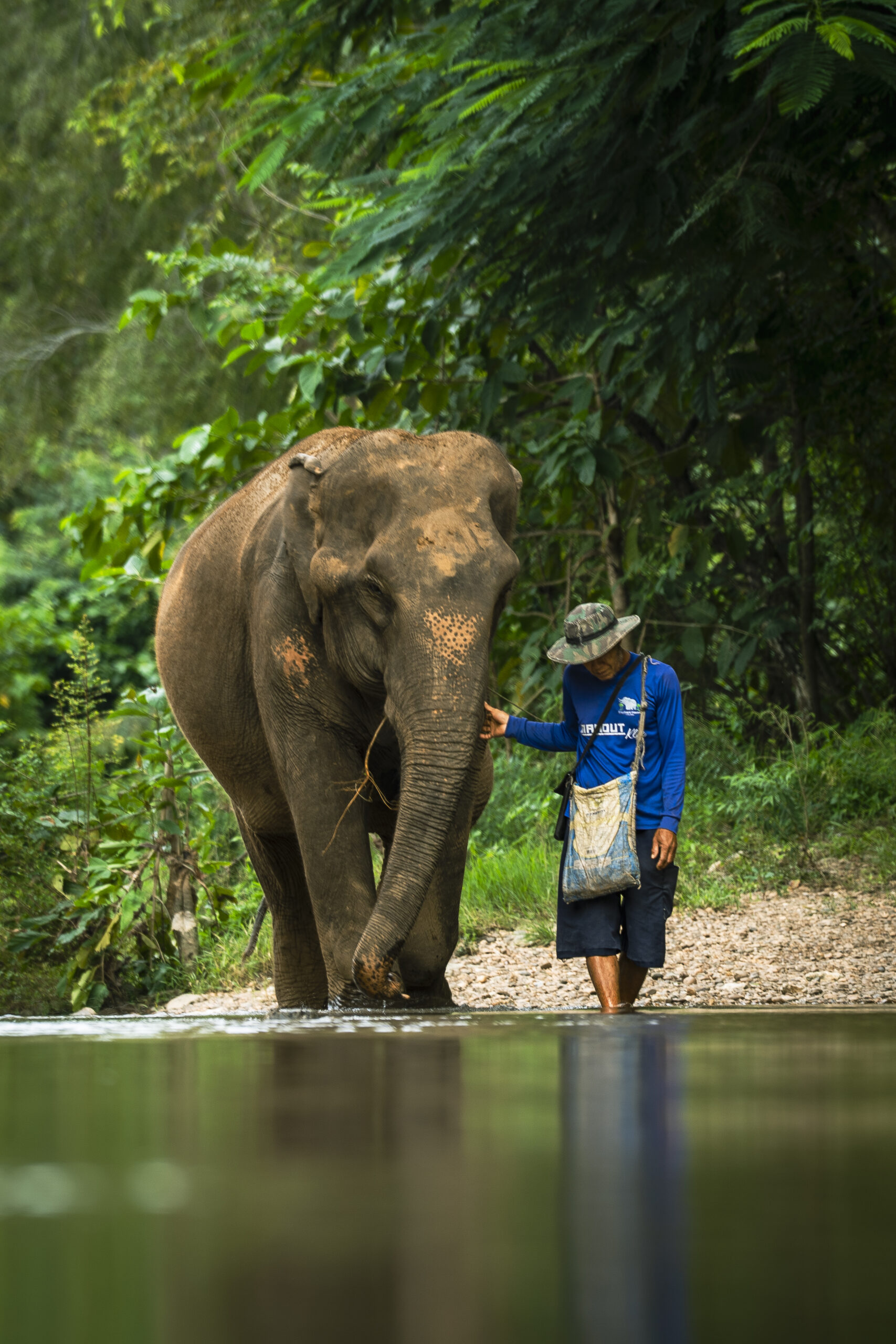
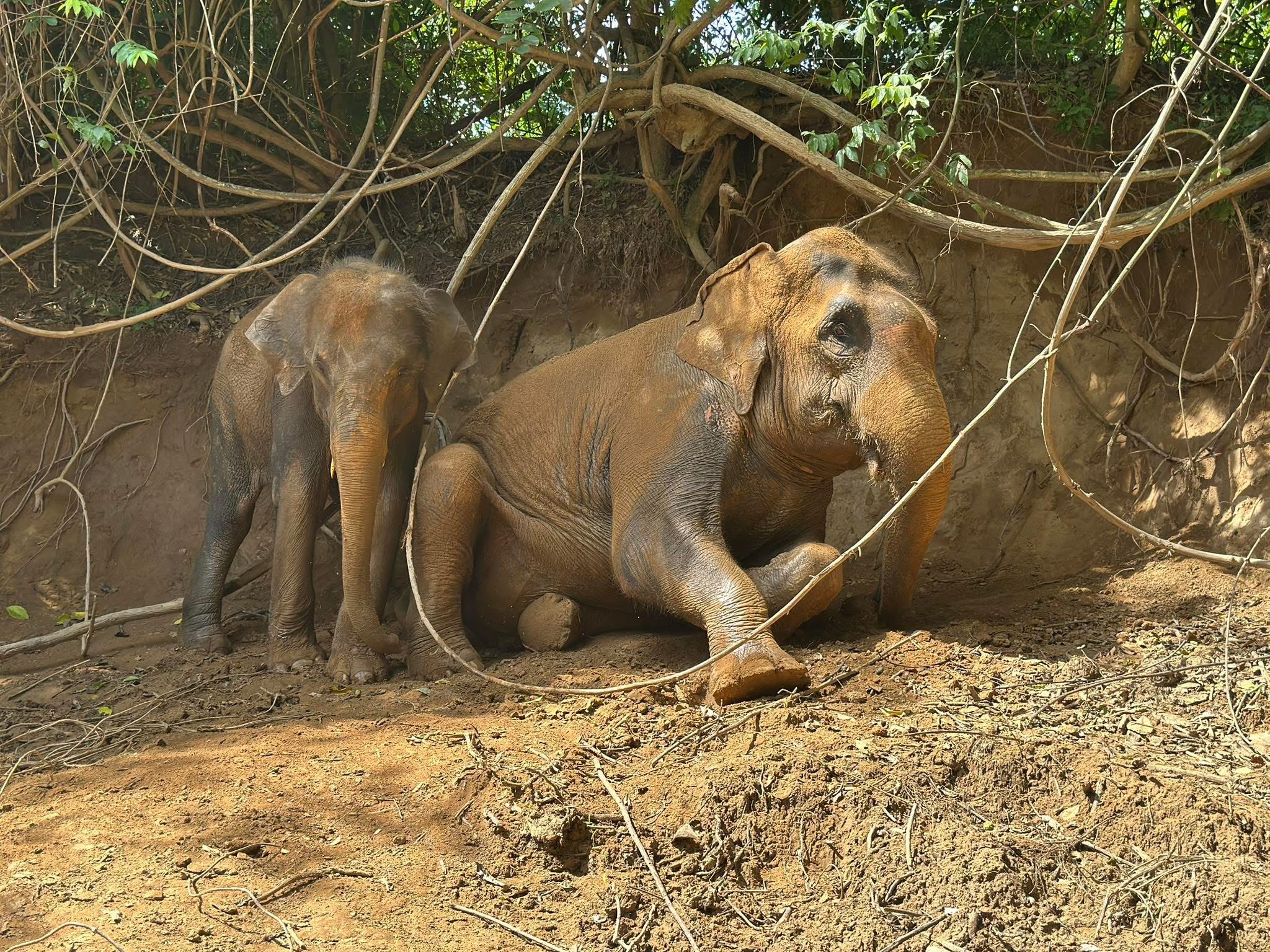
A single photograph can preserve a powerful memory, especially when it features Thailand’s national animal the elephant. Seeing elephants walk freely through forests, bathe in rivers, or forage alongside their herd is an unforgettable experience for many travelers. These moments often inspire us to reach for our cameras.
However, behind every beautiful image lies responsibility. Elephants are intelligent, sensitive animals that require space, calm, and respect. Ethical elephant photography is not only about capturing stunning visuals, but about ensuring that photography does not disrupt an elephant’s natural behavior or well-being.
This guide introduces the key principles of Ethical Elephant Photography for travelers visiting sanctuaries and conservation areas across Thailand. By following four simple rules, Flash-Free Zone, The Art of Observation, Keep Your Distance, and Safety First. You can take meaningful photographs while supporting sustainable eco-tourism.
Flash photography is one of the most common mistakes made by wildlife photographers. A sudden burst of light can easily startle an elephant, especially in shaded forest environments or during early morning and evening hours.
Elephants have sensitive eyes, and repeated exposure to flash can cause stress, confusion, or panic. In extreme cases, startled elephants may react defensively by flapping ears, swinging tusks, or moving unpredictably posing risks to both animals and people nearby.
Beyond physical discomfort, elephants also remember negative experiences. Frequent exposure to flash photography may increase long-term stress and fear of humans, which can interfere with rehabilitation efforts in ethical sanctuaries.
Better alternatives to flash include:
Turning flash off at all times
Using natural light and higher ISO settings (800–3200)
Photographing during golden hour for soft, warm lighting
Adjusting brightness later with editing apps like Lightroom or Snapseed
Natural light not only protects elephants but also creates more authentic and emotionally powerful images.
Let Nature Create the Moment
The most compelling elephant photographs are candid, not staged. Ethical photography requires patience, silence, and careful observation.
Avoid shouting, clapping, throwing food, or trying to attract an elephant’s attention. These actions force elephants to modify their behavior for human satisfaction, which contradicts the values of ethical tourism.
Tips for capturing candid shots:
Learn basic elephant behavior, elephants spend many hours feeding, making this an ideal time to observe calmly
Use burst mode to capture subtle movements like trunk gestures or water splashes
Apply the rule of thirds and leave space around the subject to show freedom and scale
Many iconic elephant photographs are created by photographers who wait quietly for long periods, allowing moments to unfold naturally. Authenticity always resonates more than forced interaction.
Respect Through Space
Distance is a sign of respect. Elephants need personal space to feel secure, even in sanctuary environments. Approaching too closely can trigger stress or defensive reactions.
Instead of moving closer, use appropriate equipment to bring the subject to you.
Recommended tools:
Telephoto lenses (70–300mm) for DSLR or mirrorless cameras
Built-in telephoto or high-quality zoom modes on smartphones
Suggested distances:
Wild elephants: at least 30 meters
Sanctuary elephants: 15–20 meters, depending on staff guidance
Keeping distance not only ensures safety but also produces stronger images that show elephants within their natural surroundings rather than confined close-ups.
No photograph is worth risking safety. Mahouts understand elephant behavior better than anyone and should always be consulted before photographing.
Warning signs to watch for include:
Ears spread wide (irritation or warning)
Rapid tail movement (stress)
Sudden stillness or intense staring (alertness)
Always ask where it is safe to stand and follow instructions carefully. If an elephant approaches, step back slowly and remain calm,never run or shout.
Moreover, responsible locations operate under ethical guidelines, protecting both visitors and elephants.
Ethical elephant photography is not about getting closer or creating dramatic shots. It is about respect, patience, and awareness. The best photographs show elephants relaxed, undisturbed, and free to be themselves.
When you step back and allow nature to lead, your images gain depth and meaning. These photographs not only preserve memories but also reflect your role in supporting conservation and responsible tourism.
By photographing with care, you help ensure that Thailand’s elephants can continue to live with dignity, today and for generations to come.