Elephant Haven

Thai Elephants A National Symbol of Identity Since Antiquity
The Significance of Elephants in Thai Culture, History, and Religion

The elephant has shared a profound and enduring bond with Thai society for centuries, earning its status as the national animal. More than just awe-inspiring giants, elephants symbolize power, authority, prosperity, and auspiciousness in Thai culture. From the past to the present, they have played pivotal roles in politics, warfare, religion, and the daily lives of the people particularly within agricultural communities and the royal court. The relationship between Thais and elephants transcends mere utility; it is a deep spiritual and cultural connection passed down through generations.

War Elephants, White Elephants, and National Symbols

In Thai history, elephants were indispensable in warfare. War elephants served as the mounts of kings and generals, prized for their strength, endurance, and ability to bolster troop morale. Iconic imagery, such as King Naresuan the Great’s elephant duel (Yuttahatthi), has become a cornerstone of national legend and pride.

Furthermore, the “White Elephant” holds immense symbolic weight. Regarded as a sacred creature and a mark of royal merit, the possession of white elephants in ancient times reflected a monarch’s divine right and virtue. Consequently, the elephant appears prominently in national symbols, flags, royal decorations, and various forms of Thai art.

Wild vs Domesticated Elephants

Despite their cultural importance, the current situation of Thai elephants is concerning. According to data from the Department of National Parks, Wildlife and Plant Conservation, there are approximately 3,000–3,500 wild elephants in Thailand, with a similar number of domesticated elephants. The primary threat to wild elephants is habitat loss due to urban and agricultural expansion, leading to increased human-elephant conflict.

Meanwhile, many domesticated elephants are employed in the tourism industry. While this generates local income, it raises significant questions regarding animal welfare, overwork, and improper training methods. Modern conservation efforts must now balance environmental, economic, and ethical dimensions.

Essential Knowledge for Tourists More Than Just Performers

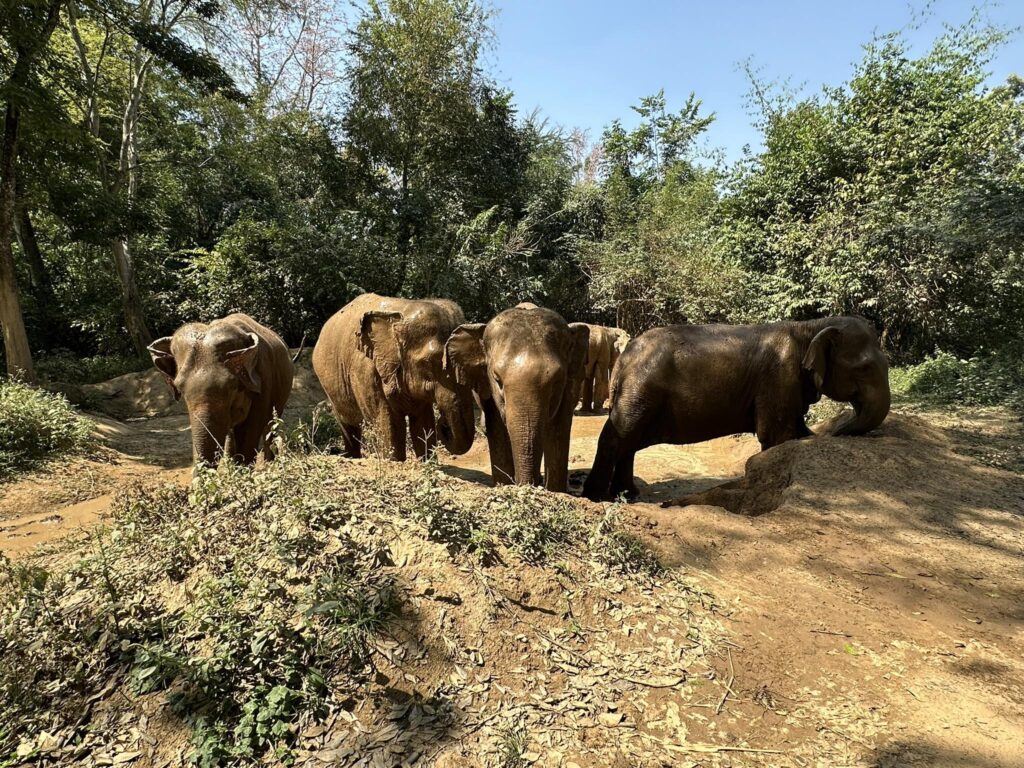
For visitors to Thailand, elephants are a major attraction. However, it is vital to recognize that elephants are not merely “performers” for entertainment. Choosing ethical tourism, such as sanctuaries that do not force elephants to perform or offer rides, is a direct way to support animal welfare.

Tourists should learn about the natural behavior of elephants, understanding that they are sentient beings with complex emotions, memories, and social bonds. Respecting their space, remaining quiet, not feeding them without permission, and following the mahout’s guidance are small actions that create a positive long-term impact on conservation.

A Reflection of Thai Identity Deserving of Respect

The Thai elephant is more than a national animal, it is a reflection of Thai identity, belief, and history. From standing beside kings in ancient battles to facing the challenges of a changing modern world, their story is Thailand’s story. Responsible tourism and an appreciation for the elephant’s cultural value ensure that travel is not just about sightseeing, but about learning and respecting the host country’s roots. The elephant is not just a beautiful symbol, it is a living heritage that everyone can help protect and preserve.

Avatar photo Elephant Haven
Thumbnail

Previous Post
Differences...

Enquiry Form