Mud, Dust, and Water The Secret Behind Naturally Perfect Elephant Skin
January 31, 2026
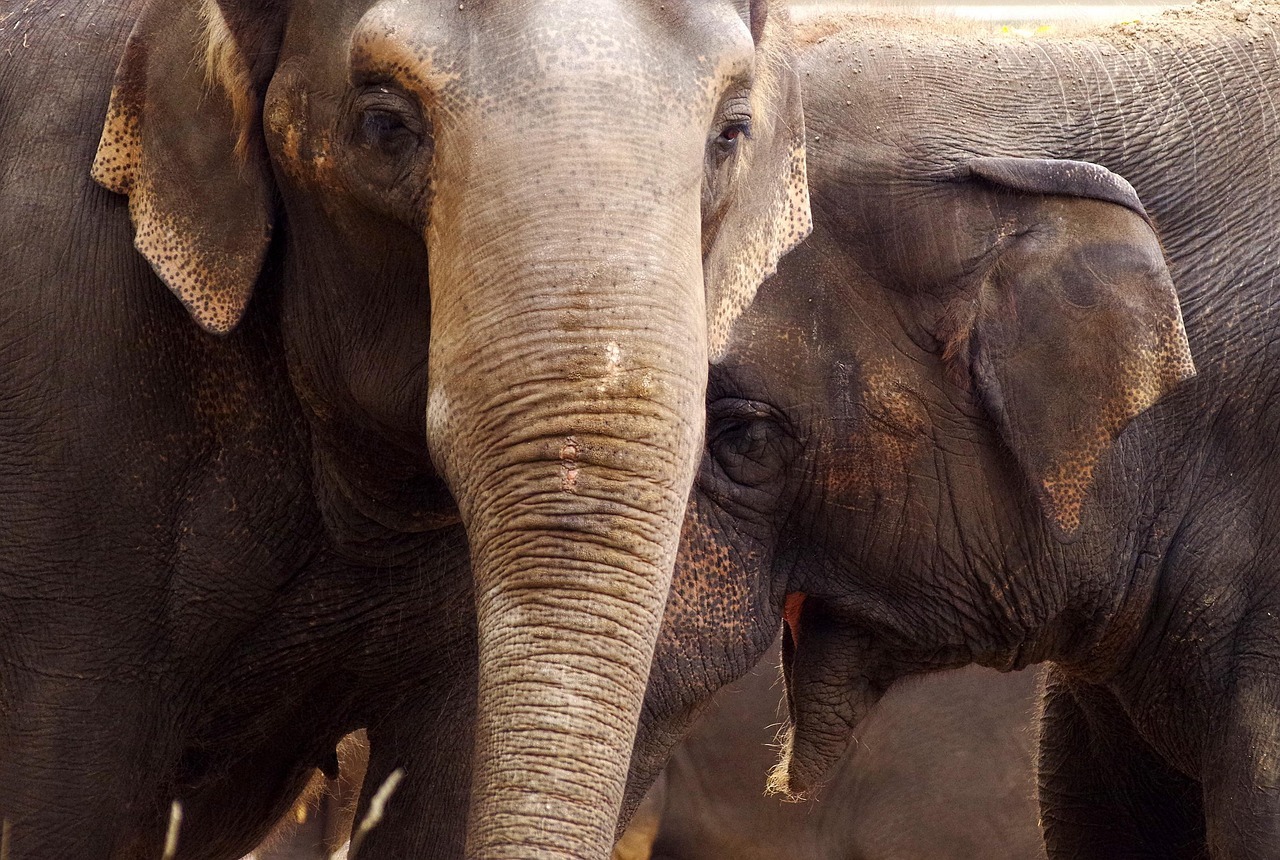
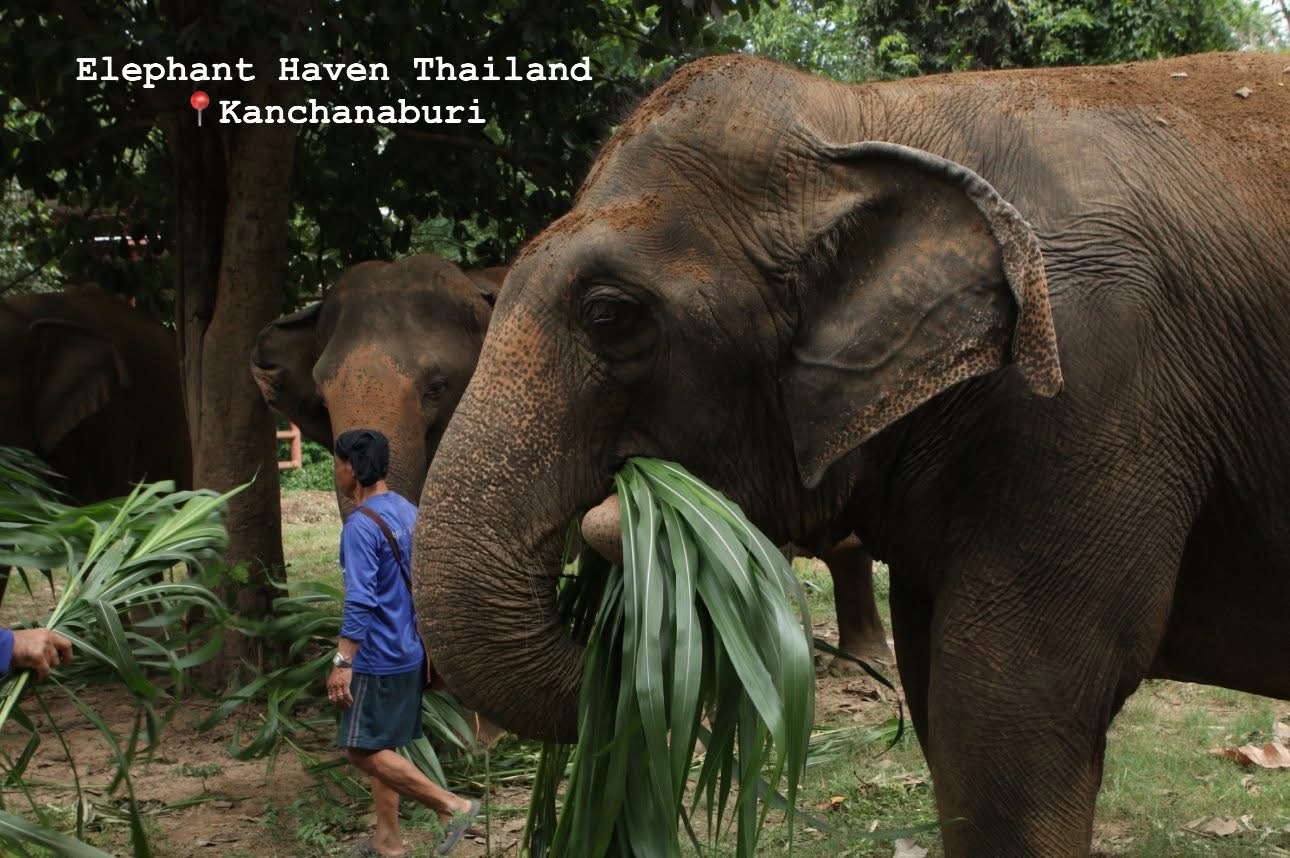
If your journey takes you along the River Kwai into the heart of Kanchanaburi Province, and you step into the lush green grounds of Elephant Haven, the first sight you encounter may not be the spotless elephants seen on postcards or social media. Instead, you’ll meet gentle giants coated in deep red mud, dust, soil, and the beautiful marks of nature itself.
For some visitors, this sight may raise questions. But for those who truly understand elephants, this is a powerful image of happiness, health, and true freedom.
This blog invites you to discover the beauty of what may seem “messy” through stories of mud, dust, and water. What looks like playful behavior is, in fact, a time-honored science of skincare and survival that nature has taught elephants over millions of years.
Elephants love playing in mud just as much as they love eating.When they encounter a muddy pond or a patch of soft earth, they use their trunks to spray mud over their backs or joyfully roll their massive bodies from side to side, like indulging in a private spa in the middle of the forest.
At Elephant Haven, we believe in allowing elephants to express their natural behavior. We do not force, rush, or expect them to be “clean” for the sake of appearances or photographs. In the elephants’ world, mud is essential. And that is why their muddiness is far more valuable than it may appear.
Thailand is known for its intense sunlight, especially in Kanchanaburi, where temperatures can rise above 40°C (104°F). Although elephants appear thick-skinned, their skin is surprisingly sensitive and delicate. The mud and dust coating their bodies act as a natural physical sunscreen, protecting them from harmful UV rays, preventing sunburn, and retaining moisture to keep their skin from drying and cracking.
An elephant covered in dirt is not neglected, it is an elephant wisely caring for itself.
In the wild, an elephant’s greatest nuisance isn’t predators, it’s insects. Horseflies, mosquitoes, and forest flies can cause constant irritation and painful wounds.
As mud dries, it forms a protective layer that prevents insects from biting or laying eggs on the skin. Adding dust on top increases the thickness of this barrier, reducing irritation in skin folds and sensitive areas. When you see an elephant gently flapping its ears, its body coated in mud, that is a sign of comfort not dirtiness.
Elephants are the largest land animals on Earth, but they face one major challenge. They have very few sweat glands. Mud plays a crucial role in temperature regulation. The water within the mud evaporates slowly, drawing heat away from the body far longer than a simple water bath.Think of it as a natural cooling pack elephants carry wherever they go, helping them maintain a safe internal body temperature in a hot climate
Visiting Elephant Haven in Kanchanaburi is not just about seeing elephants, it’s about learning, understanding, and respecting them. When you see elephants covered in mud or joyfully rolling in a muddy pool, know that these are moments when they are most truly themselves. In the elephants’ world, Messy skin is healthy skin, Imperfection is balance,and Respecting nature is the heart of responsible tourism
The next time you see our giant friends cloaked in mud, smile. That “mess” is the secret to their well-being a gift nature has perfected over millions of years.