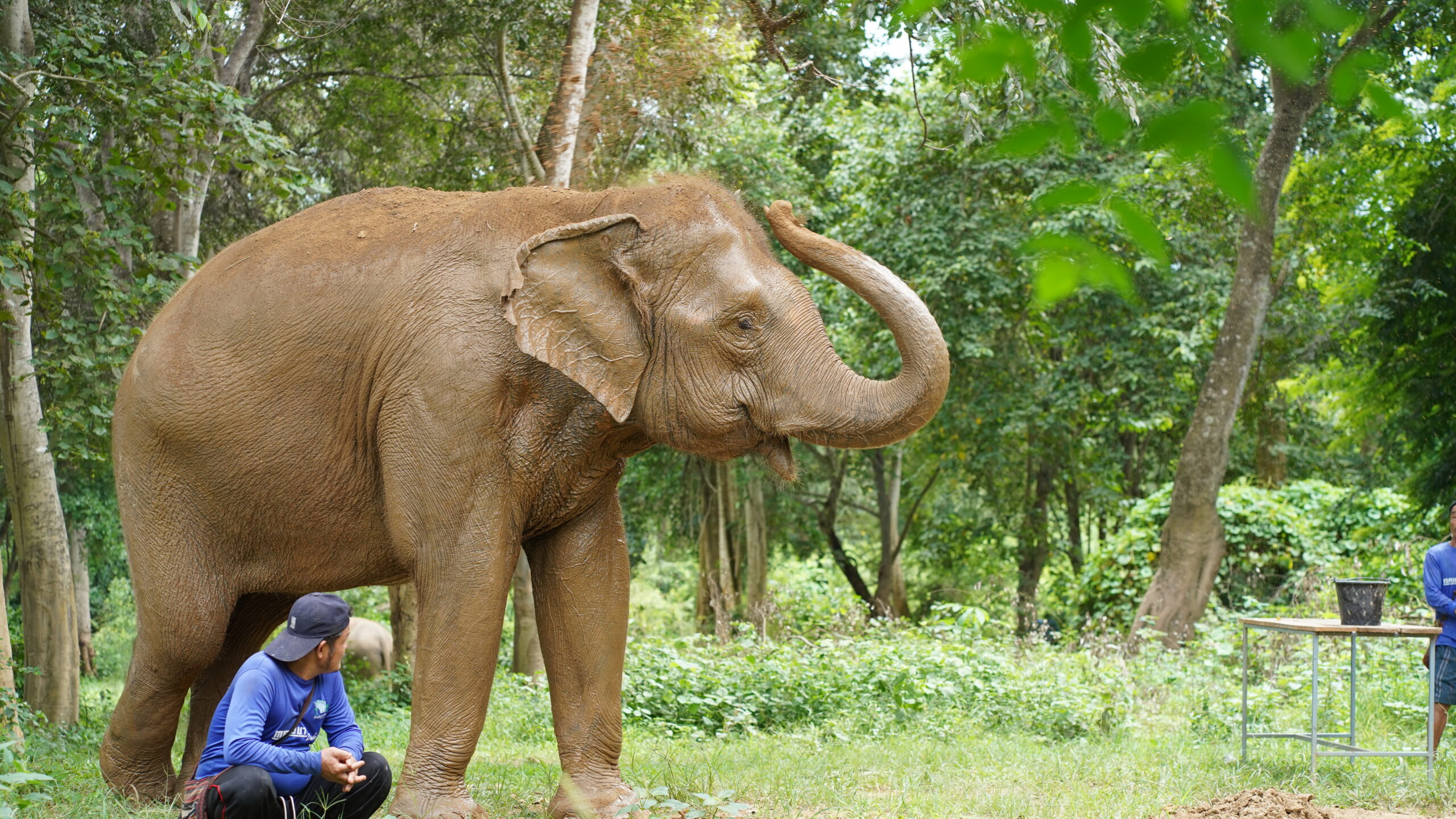
Elephant Communication & Behavior Explained

Elephant communication and behavior showcase remarkable intelligence, complexity, and social depth, making these gentle giants fascinating creatures to learn about for tourism enthusiasts and nature lovers alike. Understanding how elephants express emotions, intentions, and social bonds helps visitors appreciate their interactions beyond mere observation.
Elephants communicate using various signals, including vocalizations, body language, and tactile gestures, serving specific purposes such as identifying individuals, signaling emotions, or coordinating group activities. This knowledge enriches travel experiences and fosters greater respect for elephant conservation.

How Elephants Communicate
Elephants use an intricate communication system combining sounds, gestures, and body postures. Vocalizations, such as deep rumbles, trumpets, and bellows, carry information over long distances and convey identity, emotional state, and intentions.
These vocal signals can travel up to 10 kilometers, allowing herds to stay connected over vast ranges. Beyond sound, elephants use visual signals like ear flapping, head shaking, and trunk movements to express feelings such as playfulness, aggression, or alertness. They also rely heavily on tactile communication through touching, rubbing bodies, or trunk intertwining, to reinforce social bonds and convey comfort or reassurance.

Emotions and Social Bonds
Elephants exhibit rich emotional lives and complex social structures. In the wild and ethical sanctuaries, they form tight-knit groups led by matriarchs, where cooperation and empathy are vital. Their behavior ranges from nurturing calves and coordinating group movements to displaying joy through play or showing stress when threatened. Visitors observing elephants can notice subtle behaviors like gentle trunk touches or protective postures that reveal individual personalities and moods. Understanding these behaviors can prevent misunderstandings and improve human-elephant interactions during tourism activities, ensuring safety and respect for their well-being.
The Science Behind Elephant Signals
Research reveals that elephants use intentional communication by using gestures and vocal signals directed specifically toward aware audiences. They combine vocal rumbles with visual cues, such as ear-flapping, particularly during greetings or social exchanges, illustrating their advanced social cognition. Elephants also produce chemical signals from temporal glands and other body parts, which others investigate with their trunks to gather information about reproductive status or identity. This multimodal communication system underscores elephants’ sophisticated awareness and their adaptation to social living, further highlighting why protecting their natural habitats and social groups is crucial.

Enhancing Tourism Through Knowledge
Tourists visiting elephant sanctuaries benefit immensely from learning about elephant communication and behavior. Educational programs and guided observations help travelers engage thoughtfully, encouraging patience and deeper attention rather than impulsive interactions. Recognizing signs of agitation or contentment enhances safety while fostering empathy and advocacy for ethical tourism practices. Visitors take away unforgettable experiences by connecting silently with elephants’ subtle cues, enriching the journey with meaningful awareness of these majestic creatures’ intelligence and emotions.
Subscribe to our newsletter for more fascinating insights into elephant behavior and tips on responsible wildlife tourism that supports conservation and welfare initiatives. Stay informed and inspired as you explore nature responsibly.
This content overview on elephant behavior facts merges scientific understanding with practical tourism awareness to promote respect and care for elephants in all settings
 Elephant Haven