Elephant Haven

Positive Reinforcement, Not Punishment How We Train and Care for Elephants
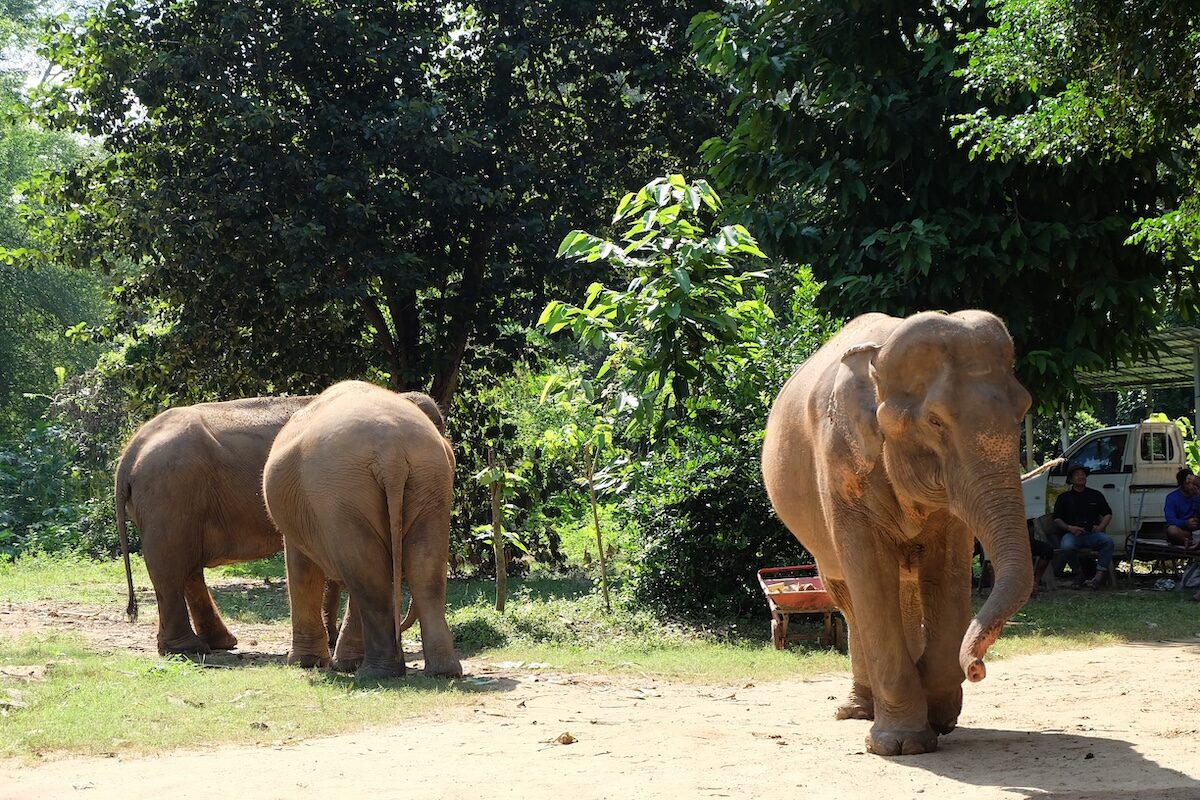
True trust cannot be forced. It is built slowly, through patience, consistency, and respect.For many travellers choosing an elephant sanctuary in Thailand, one important question often comes to mind, How are the elephants cared for when visitors are not watching?
It is a question worth asking. Elephant welfare is not defined by a few hours of visitor experience, but by the everyday decisions that shape an elephant’s life.

At Elephant Haven Thailand, the philosophy begins with a simple idea.Elephants should be treated as individuals, with their wellbeing placed before entertainment.

Building Trust, Not Demanding Obedience

Elephants and people have lived and worked alongside one another across Asia for generations. Over time, our understanding of elephant intelligence, behaviour, emotions, and social relationships has continued to develop. With greater knowledge comes a responsibility to rethink how people interact with them.

At Elephant Haven Thailand, the purpose of care is not to train elephants to perform for visitors. The focus is on creating an environment where relationships can develop through patience and familiarity rather than fear.

Trust takes time. An elephant’s history, personality, age, and experiences can all influence how comfortable they feel around people. Respecting those differences means understanding that each elephant may respond in its own way and at its own pace.

What Positive Reinforcement Means

Positive reinforcement is based on encouraging desired behaviours through positive experiences rather than punishment. In elephant care, this approach can help create cooperation between elephants and their caregivers while reducing unnecessary pressure.

The principle behind it is simple but important cooperation should come through trust rather than fear. This becomes particularly meaningful when elephants need to participate in routine care. A relationship built gradually and consistently can help caregivers work with an elephant while respecting its individual temperament and boundaries. Rather than asking, How can we make an elephant do something? a welfare-focused approach asks a different question. How can we encourage cooperation while respecting the elephant? That difference reflects a much broader philosophy of care.

Care Continues Beyond Visitor Hours

What visitors see represents only one part of life at a sanctuary.Elephant welfare is an everyday responsibility. It involves paying attention to physical health, behaviour, nutrition, environment, social relationships, and the changing needs of individual elephants.

Observation is especially important because elephants cannot tell us directly when something feels different. Changes in appetite, movement, behaviour, or interactions may provide valuable clues about their wellbeing.

Good care therefore depends on knowing the elephants as individuals and remaining attentive over time. Much of this work happens quietly, away from the visitor experience, yet it forms the foundation of responsible elephant care.

Ethical Care Is Bigger Than a Label

Travellers researching elephant sanctuaries often encounter phrases such as no riding, no shows, no hooks. These can be useful starting points, but elephant welfare cannot be understood through a single phrase.

Responsible care involves looking at the whole picture: how elephants live, whether their individual needs are recognised, whether they have opportunities to express natural behaviours, and whether their wellbeing remains central to everyday decisions.

Ethical care is not one rule followed once. It is an ongoing commitment shaped by many small choices over an elephant’s lifetime.

A Different Kind of Elephant Experience

Choosing a responsible elephant experience is also a choice about the kind of tourism we want to support.When travellers value observation over performance and learning over entertainment, they help encourage experiences that place greater importance on animal welfare.

For visitors, this can also change the meaning of an elephant encounter. Instead of asking what an elephant can do for us, we begin to appreciate the privilege of simply spending time in their presence.

See Elephant Care from a Different Perspective

At Elephant Haven Thailand, we believe meaningful encounters begin with respect.Come and spend time observing elephants, learning about their individual personalities, and discovering why patience, choice, and understanding matter in elephant care.

See our approach to elephant care for yourself. Book your Elephant Haven Thailand experience and discover a more thoughtful way to meet elephants,one built around respect for who they are.

Avatar photo Elephant Haven
Thumbnail

Previous Post
Before You Go A...

Thumbnail

Next Post
What Makes a...

Enquiry Form