Looking Ahead, The Future of Elephants in Thailand
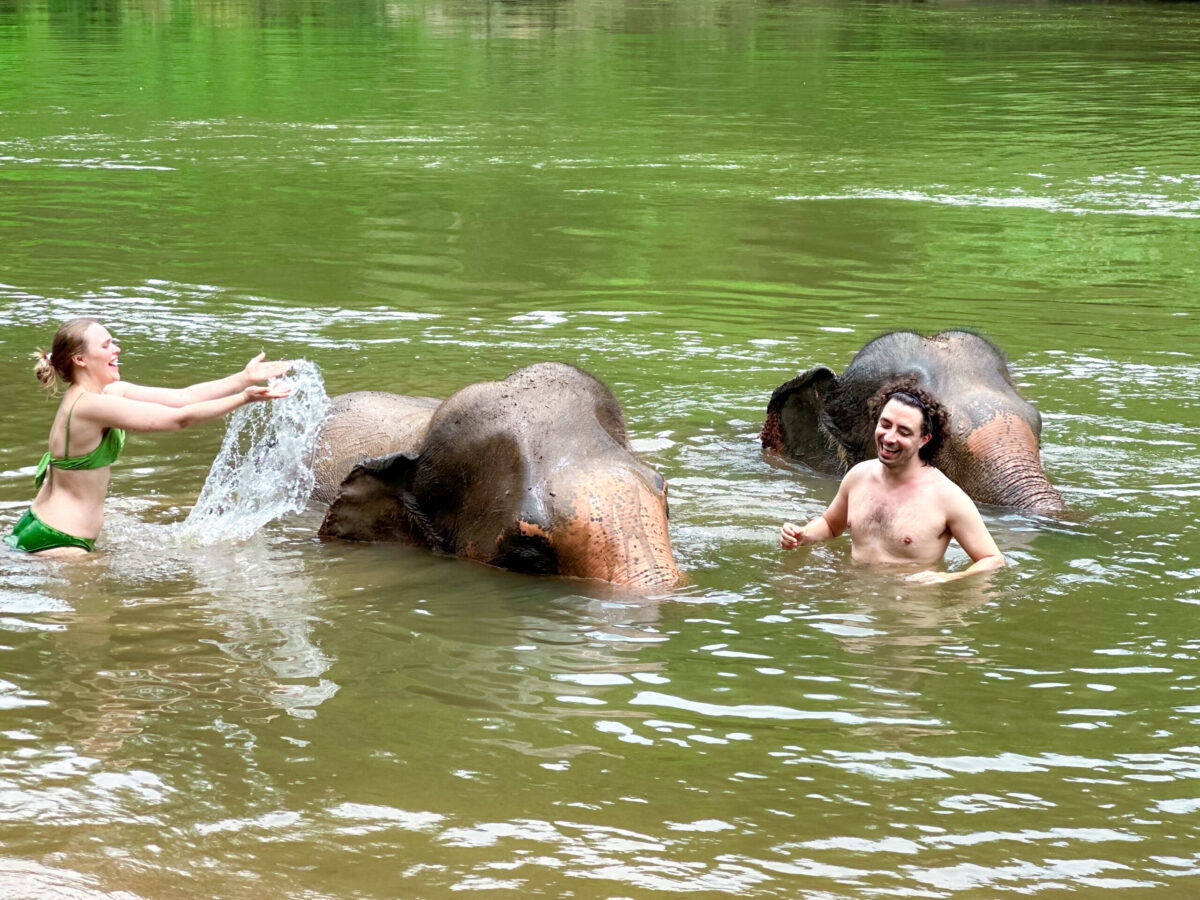
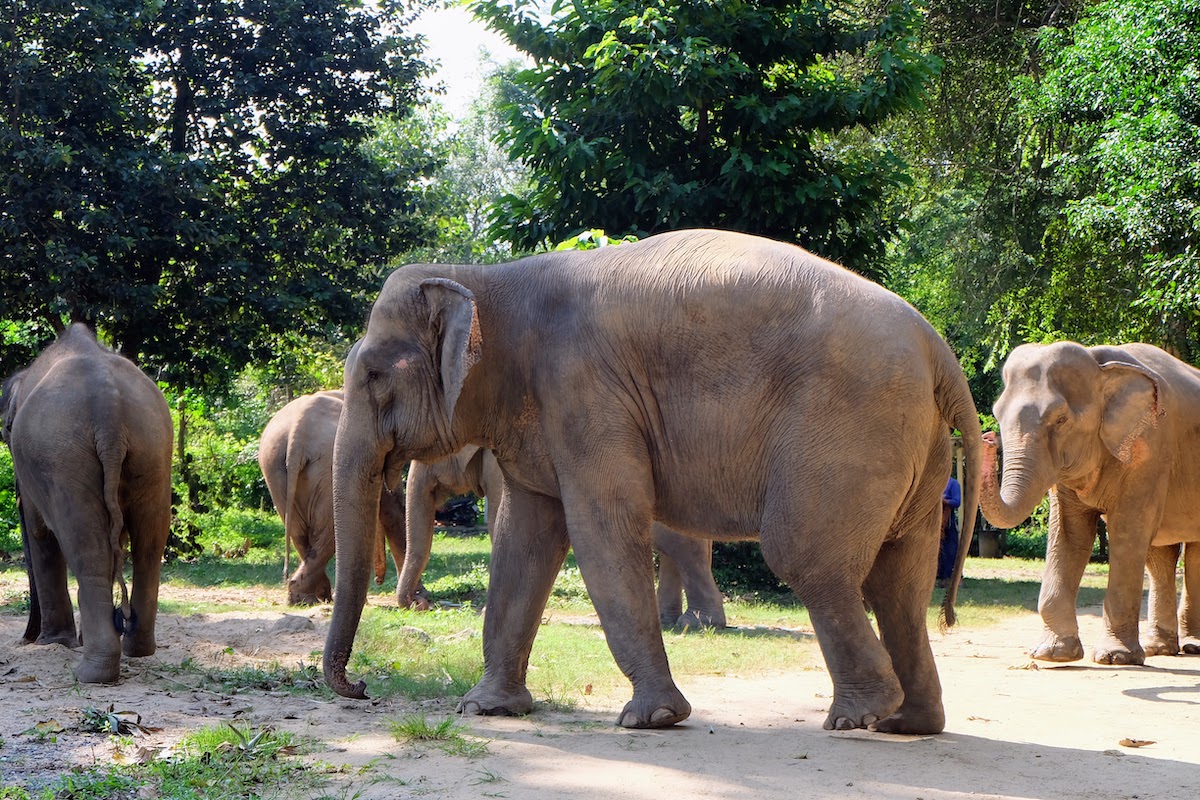
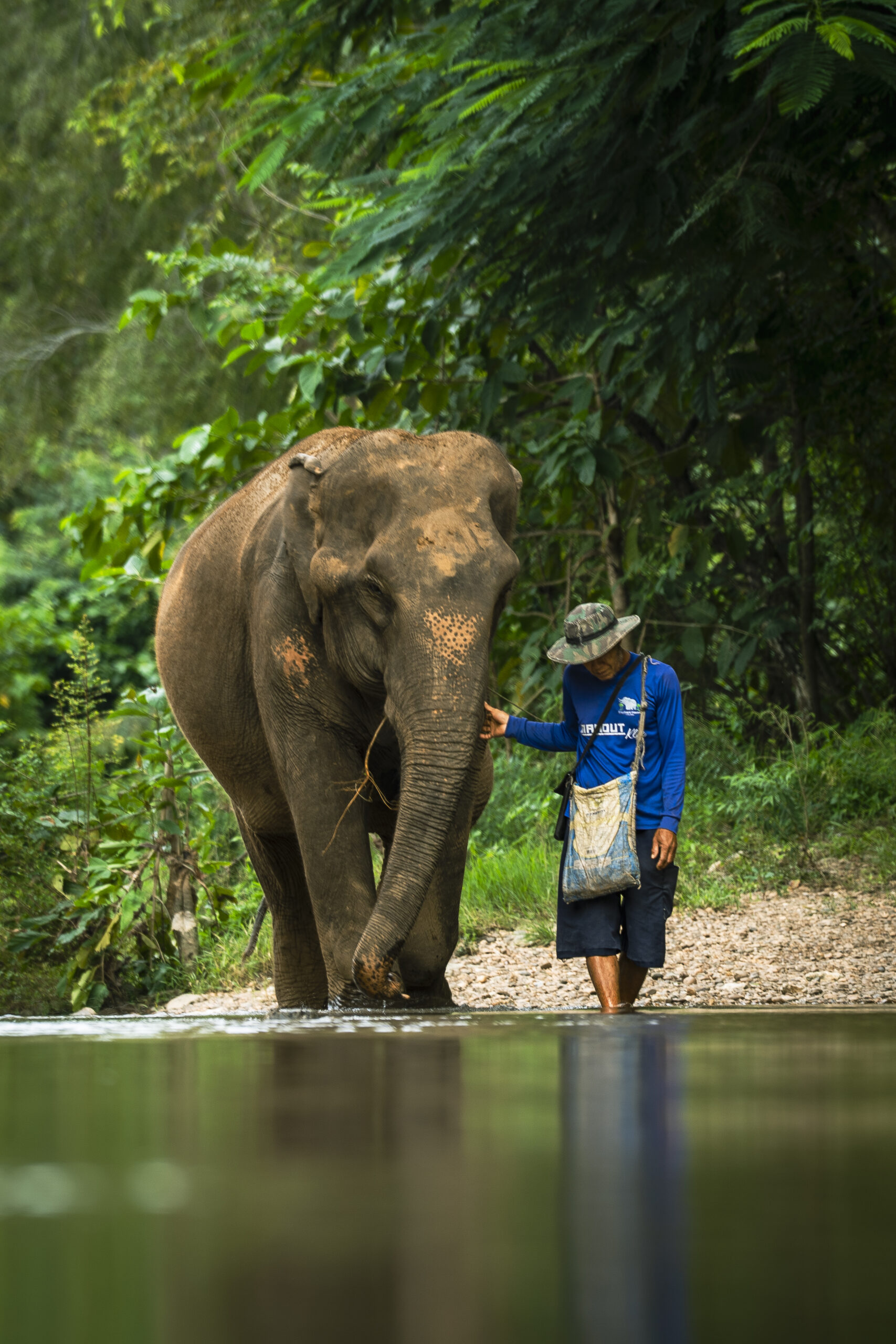
Thailand’s elephants have long captured the hearts of travelers from around the world. As powerful symbols of Thailand’s history, spirituality, and natural beauty, they remain among Thailand’s most beloved attractions. Yet behind every unforgettable elephant encounter lies a complex conservation story, and the future of these gentle giants depends on how tourism evolves in the years to come.
Understanding the Future of Elephants in Thailand
For centuries, elephants have shaped Thailand’s cultural identity, from royal traditions to agricultural life. Today, they are also a central part of Thailand’s tourism experience. But as visitors flock to see them, elephants face growing threats, including habitat loss, human-elephant conflict, and poaching.
A sustainable future requires thoughtful collaboration between conservationists, local communities, and the tourism sector. Protecting elephant habitats helps preserve biodiversity and maintains the lush natural landscapes that make Thailand such a treasured destination.
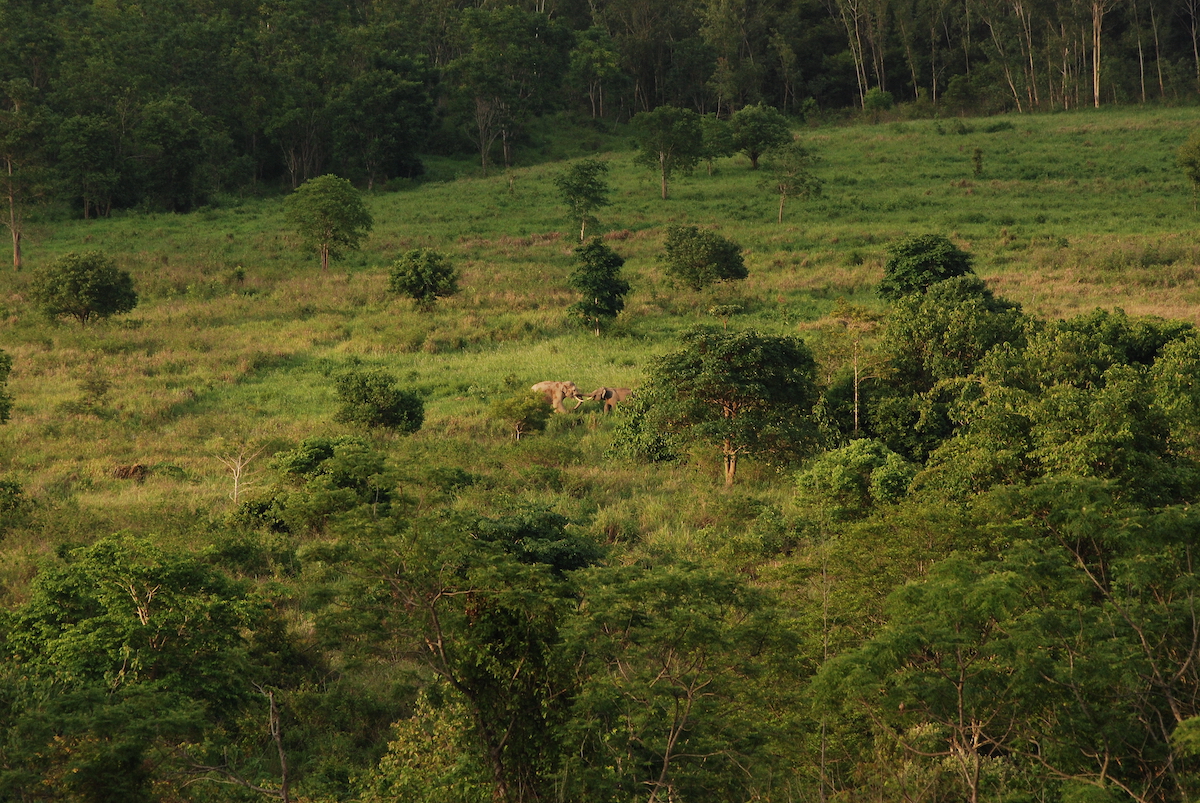
Conservation Challenges and Emerging Threats
Even with legal protections in place, elephants continue to encounter significant challenges:
- Habitat fragmentation, rapid development for cities, farms, and infrastructure reduces and isolates forests, disrupting elephant migration and food sources.
- Human-elephant conflict ,as communities expand into elephant territories, clashes occur, often resulting in damage, loss, and tragedy on both sides.
- Illegal trade and unethical tourism, poaching and exploitative tourism practices still threaten elephant welfare and long-term population stability.
Climate change adds further pressure by altering ecosystems, shifting food availability, and straining water sources, making innovative conservation strategies more important than ever.
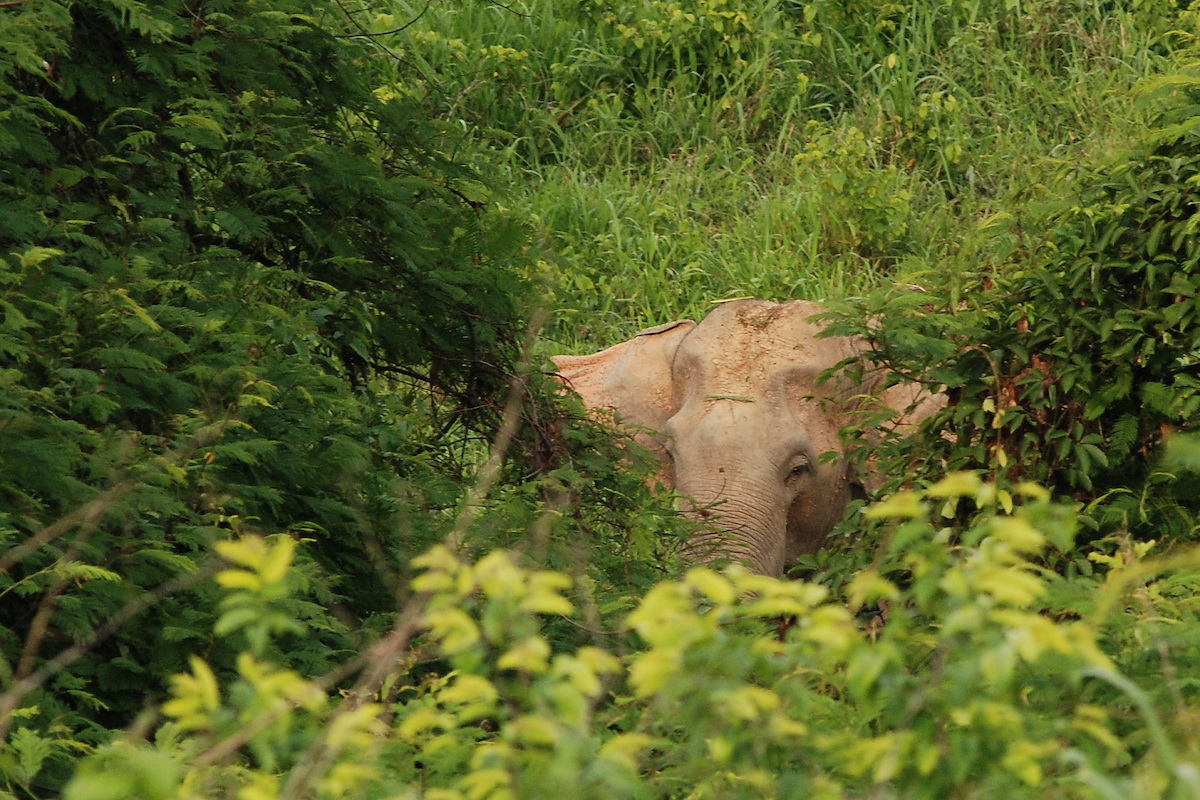
Innovations and Strategies Shaping Elephant Conservation
Thailand’s conservation movement is embracing a blend of tradition, modern science, and responsible tourism practices:
- Habitat corridors and protected areas, expanding and connecting natural habitats gives elephants room to roam safely and supports healthy genetic diversity.
- Community-based conservation, by empowering local communities as guardians of conservation zones, tourism can help generate sustainable livelihoods and reduce conflict.
- Technology-driven solutions, GPS tracking, drone monitoring, and AI analysis provide essential insights to protect wild elephant populations and prevent poaching.
- Ethical tourism models, any camps and tour operators are shifting away from rides and performances, embracing observation-based, welfare-centered experiences that benefit elephants and travelers alike.
This progress is strengthened by partnerships between government agencies, NGOs, universities, and global conservation networks.
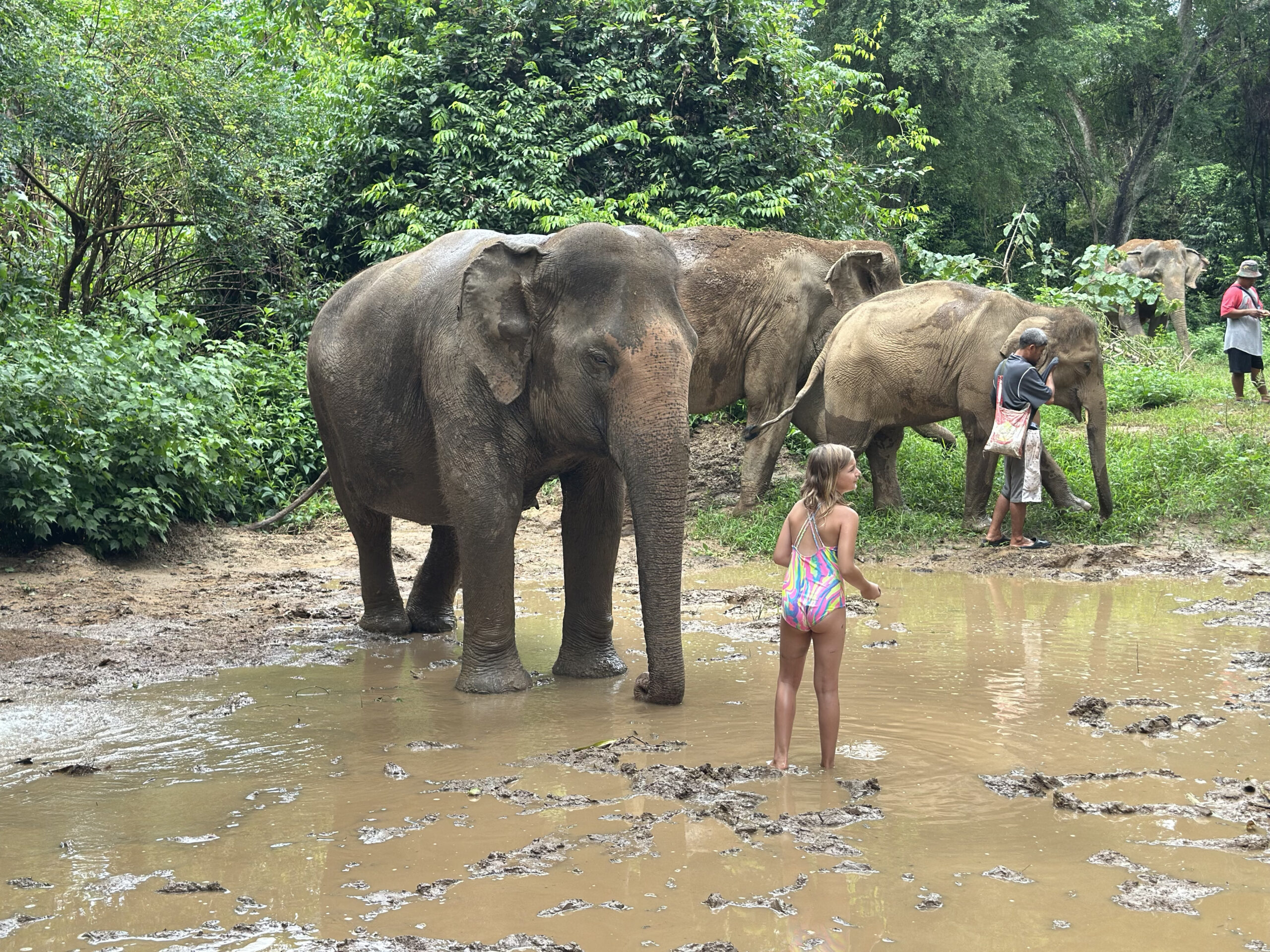
Advocating for Elephant Welfare: How Tourism Can Lead the Way
Elephant conservation is a shared responsibility, and the tourism industry plays a crucial role in shaping a better future:
- Policy makers are working to improve protections and reduce human-wildlife conflict.
- Tourism operators can commit to ethical, observation-focused models that prioritize animal welfare.
- Researchers and educators continue to raise awareness and guide data-driven conservation.
Travelers can make a difference by choosing responsible tours, supporting community initiatives, and spreading awareness about ethical elephant experiences.
 Elephant Haven