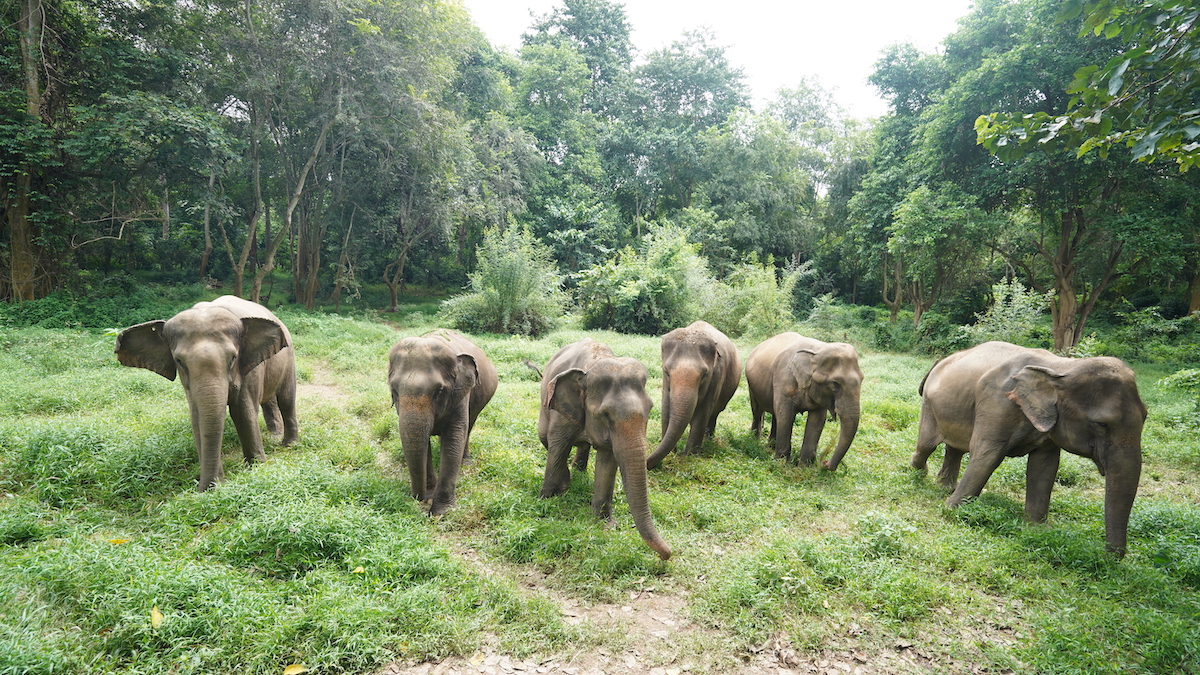
Elephants in Thai Culture History, Myths, and Modern Shifts
Elephants have long been a powerful symbol and a beloved part of Thai identity. When we talk about elephants in Thai history, we’re not just speaking of majestic animals. We’re referring to creatures deeply woven into Thailand’s religion, monarchy, art, and daily life.
From ancient battlefields to sacred temples and modern-day sanctuaries, elephants represent the enduring bond between Thai people and nature. This article explores five key aspects of elephants in Thai culture, their historical role, mythical significance, evolving place in society, and ongoing efforts to preserve them, to help travelers appreciate their importance in both heritage and tourism.
Historical Roles of Elephants in Thai Society
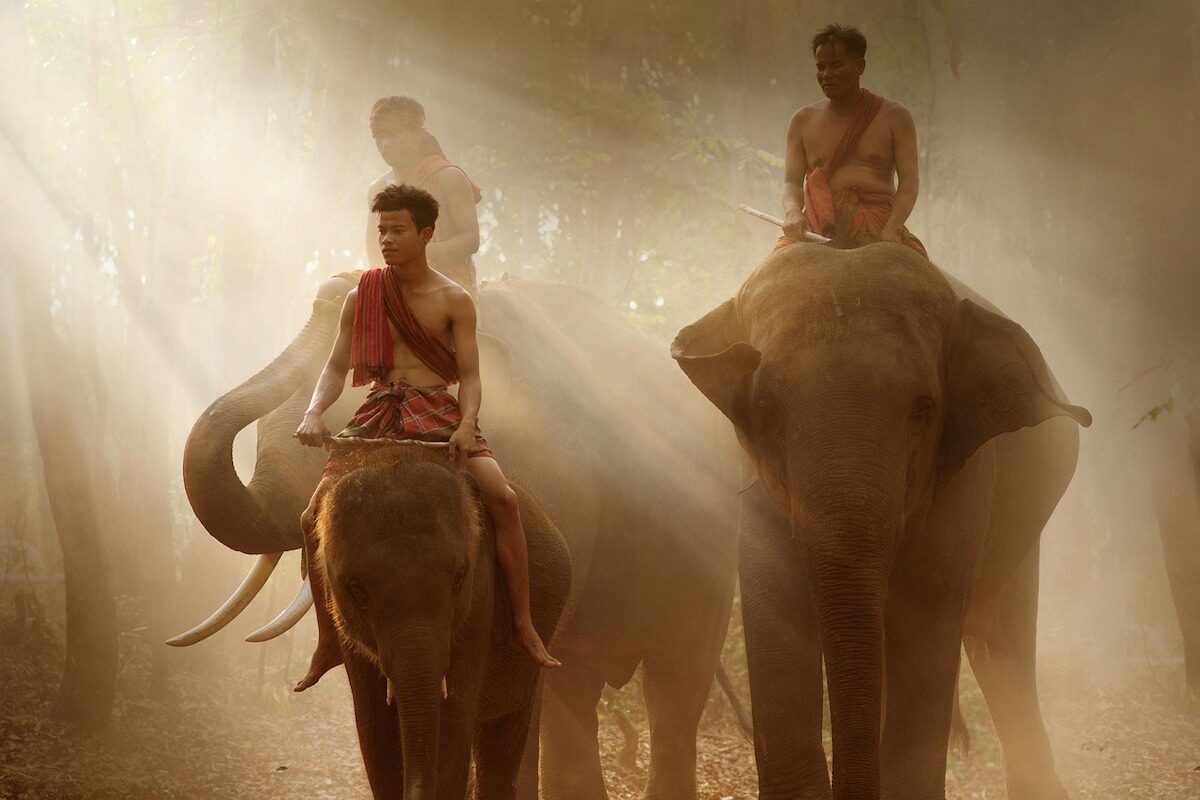
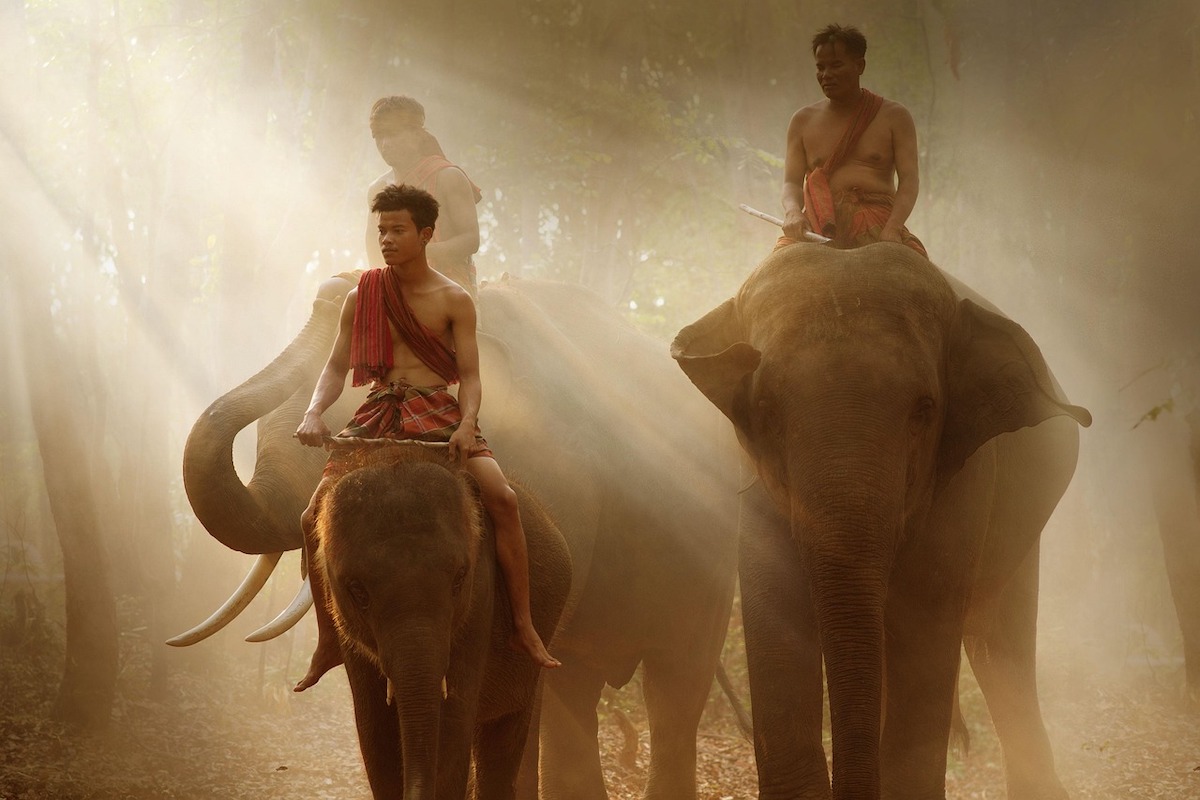
In Thai history, elephants were far more than beasts of burden; they were royal symbols, war heroes, and vital partners in everyday life. Known as the “horses of war,” elephants carried kings and generals into battle. One of Thailand’s most celebrated events, King Naresuan’s elephant duel victory remains a powerful national symbol of courage and freedom.
Beyond warfare, elephants were key to Thailand’s economy. They worked in logging and transportation, helping shape the country’s development during the pre-industrial era. Among the most revered were white elephants, considered sacred and royal possessions that symbolized the king’s virtue and divine authority.
Even today, the connection between elephants and Thai heritage lives on in Surin Province, famously known as the “Land of Elephants” The annual Surin Elephant Round-up showcases centuries-old traditions of elephant training and the unique bond between mahouts (elephant caretakers) and their gentle giants.
Myths and Symbolism of Elephants in Thai Belief
Beyond their physical presence, elephants in Thai history are steeped in myths, spirituality, and religious symbolism. In Buddhist tradition, elephants are revered as symbols of wisdom, strength, and calm power. The story of Nalagiri the elephant, who was tamed by the Buddha’s compassion, illustrates the triumph of peace and mindfulness over aggression.
In Hindu influence, deeply integrated into Thai culture, the God Ganesha, with his elephant head, represents intelligence and success. Many Thai temples and festivals celebrate Ganesha as a patron of arts and learning.
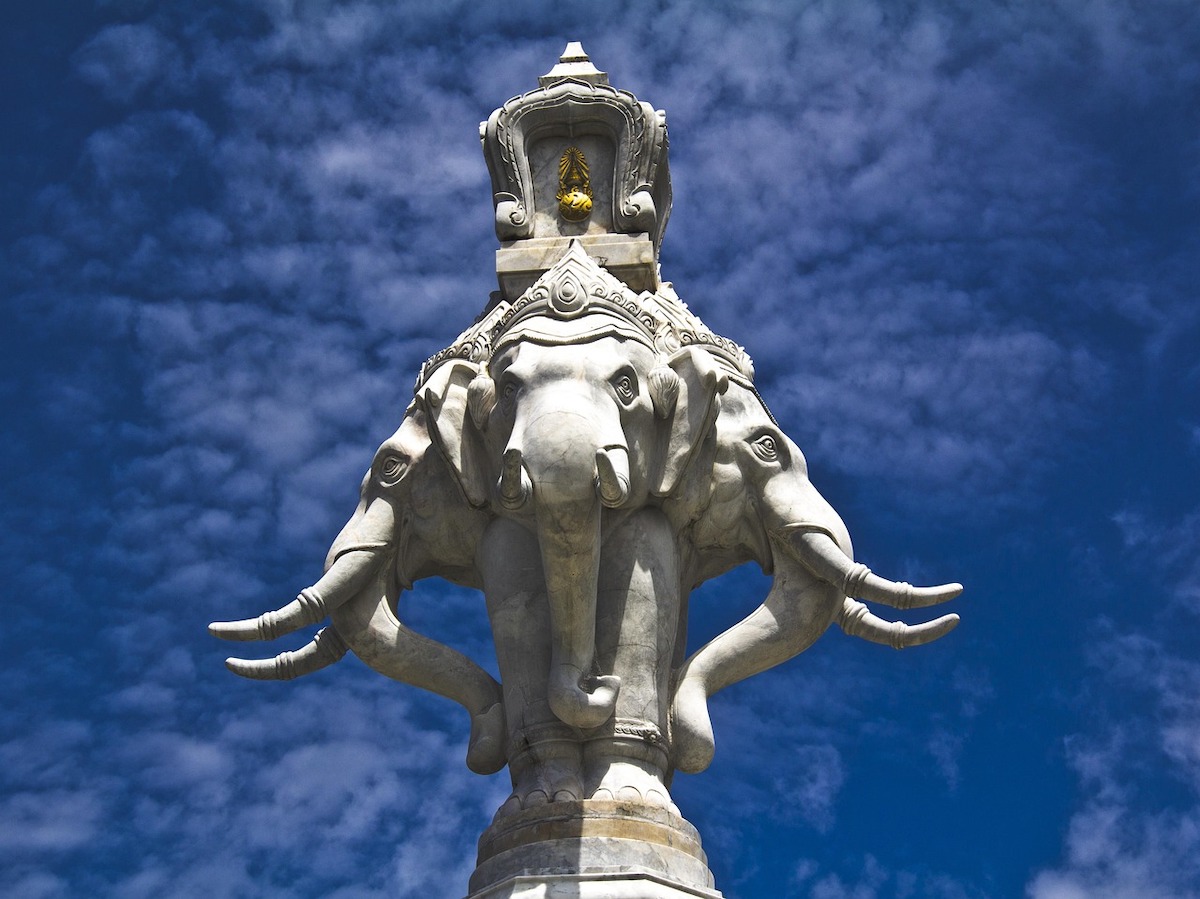
Mythical elephants also appear in Thai literature and art, most notably Erawan (Airavata), the multi-headed elephant mount of the god Indra, symbolizing cosmic power and fertility. These beliefs show that elephants are not just revered animals but embodiments of strength, purity, and divine grace within Thai cosmology.
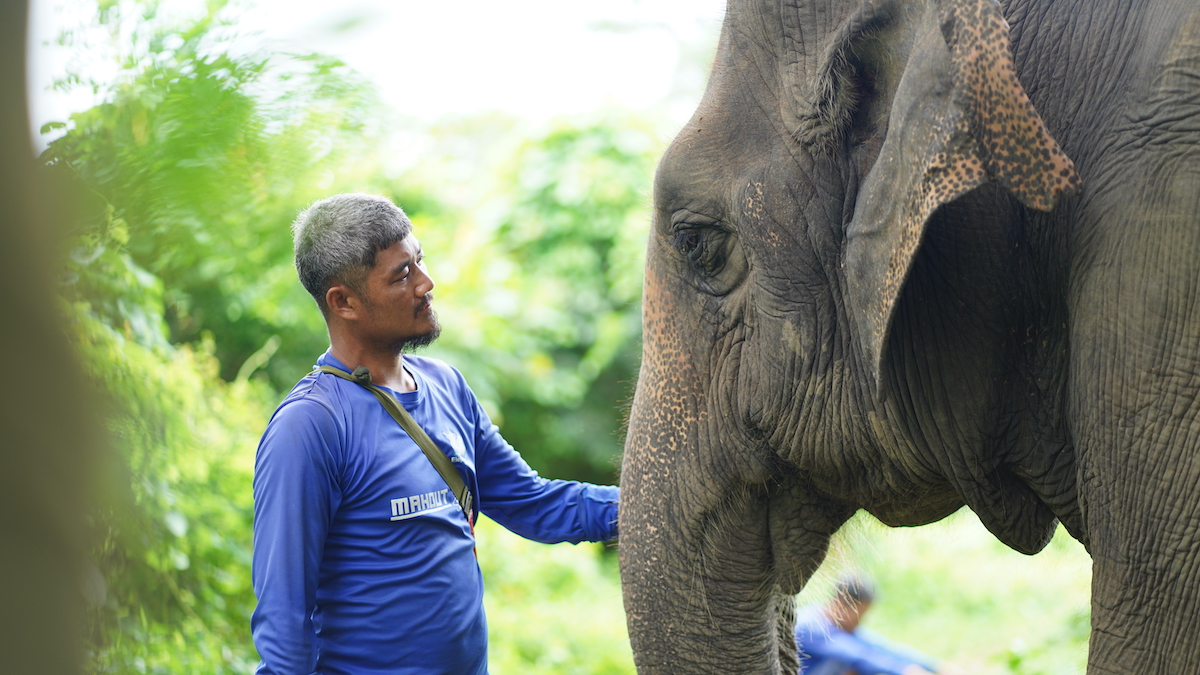
Modern Shifts: From War Animals to Cultural Icons
As Thailand transitioned from ancient kingdoms to a modern nation, the role of elephants shifted dramatically. No longer needed in war or forestry, elephants found new significance in tourism and cultural heritage.
Destinations like Chiang Mai, Ayutthaya, Kanchanaburi and Surin have become major hubs for elephant-related tourism. Travelers can experience up-close interactions, from watching elephants paint and perform to participating in feeding and bathing activities. Elephants have thus become ambassadors of Thai culture, drawing visitors from around the world.
However, this transition has not been without ethical concerns. The rise of commercial elephant shows and rides has sparked global debates about animal welfare. In response, Thailand has begun promoting ethical elephant tourism, emphasizing education, observation, and respect over exploitation, ensuring that these cultural icons are treated with dignity.
Plan Your Visit
Visit Our website: https://elephanthaventhailand.org/
 Elephant Haven